Garlic Scapes

You can use garlic scapes — the stem of the garlic plant — in the same way you use garlic cloves —  to season soups, stews, sautés, or any dish where you want that garlicky-flavor. Garlic scape pesto is also popular. But seeing as garlic scapes, along with lettuce, tend to make up the major portion of the contents of my CSA basket at this time of year, I figured I should move beyond the condiment idea and try using them as a major vegetable.

P1020077

I decided to use them in a topping for spaghetti. First, I cut up the scapes with scissors. Both last week and this, I ended up with close to two pints of cut-up scapes.  I blanched half of them for 30 seconds, then put them in the freezer for later use. The other half I used to make my spaghetti topping.

P1020080

I sautéed one pint of cut up garlic scapes with a chopped onion, seasoned them with salt and plenty of pepper, and served them over spaghetti with grated cheddar cheese. This week I had a few shiitake mushrooms, so I added them. Both ways, it was quite tasty, if you  love garlic, which I do.

P1020082

Posted in food from the garden | Tagged | Leave a comment

Another Way to Eat Queen Anne’s Lace

I’ve tried eating the roots of Queen Anne’s Lace. This plant is also called wild carrot and is very closely related to garden carrots, so eating the root seems obvious.  But the young flower stalk is also edible, I’d heard, so I decided to give it a try. I picked stalks with buds that hadn’t opened yet, so they were still tender.

P1020071

I picked off the leaves and pulled off the hairy peel. It comes off pretty easily in strips.

P1020074

I steamed the peeled stalks for about three minutes and ate them with butter and salt. They tasted carroty and sweet. I just picked a few this time as an experiment, but I’ll definitely try this again.

P1020075

If you are interested in this plant, be aware that other plants of the carrot family sometimes also go by the name Queen Anne’s Lace, and some of them are poisonous. The edible wild carrot has delicate, feathery leaves and stems covered with soft white hair. Always consult an expert if you are not sure of plant identification.

Posted in wild foods | Tagged , , | 1 Comment

Wild Strawberries!

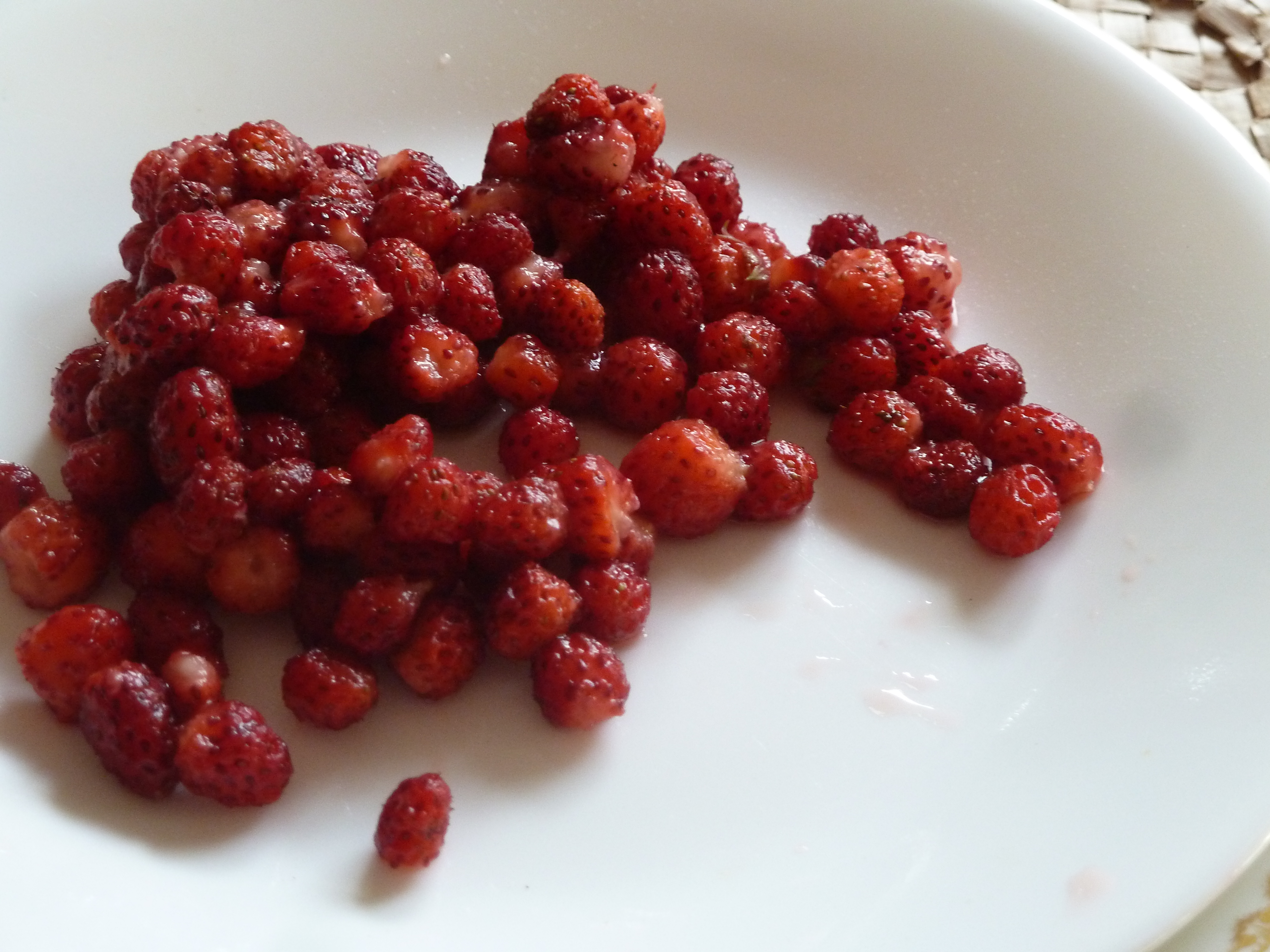
I always connect wild strawberries with the fourth of July, so when I paid a visit to my neighborhood wild strawberry patch this afternoon, I thought it was just to gauge how much longer it would be before they ripened. It’s a good thing I decided to do that, because ripening was definitely underway there, and I ended up coming home with a sizable handful of the delectable fruit.

P1020058

A few years ago, my brother and I spent an afternoon picking wild strawberries for strawberry shortcake.

Scan 151620001

It was delicious! But it’s not something I’d do every day. Picking enough of the tiny berries requires an unscheduled afternoon, a companion to help you, and a good deal of patience. However, if you can manage all that, you’ll surely find that it’s worth the effort.

The handful of berries I picked today will probably go into tomorrow’s breakfast cereal. Unless we eat them all up before then.

Posted in fruits, wild foods | Tagged , | Leave a comment

When Life Gives You Strawberries

My recent experience with ice cream is interesting to me not so much from a local foods perspective, although local foods were involved, but because of the creative challenge of cooking with what’s on hand. The other day some dear friends came for lunch and brought along the makings for strawberry shortcake. When they went home, they kindly left behind the leftover strawberries and cream.

When life gives you lemons, you make lemonade. So when life gives you strawberries and cream, you make strawberry ice cream, right? Except that I prefer vanilla. So we enjoyed the strawberries with our morning oatmeal, and the cream went into a vanilla ice cream-making experiment.

I found a basic vanilla ice cream recipe that called for 3/4 cup cream. I had just 1/2 cup on hand, but in reality the volume was less than that because it had been whipped. I decided to put the volume issue aside and used 1/4 cup plain yogurt to make up for the missing cream. All things considered, I think the final product came out pretty good. I ended up with a bit less than a pint of delicious, vanilla-y ice cream. It could’ve been creamier, perhaps, but it was still quite tasty.

P1020039

Here’s the recipe:

1 egg, beaten

1/3 c sugar

3/4 c milk

1/2 c whipped cream (whip it yourself; don’t use the stuff from a can)

1/4 c yogurt

1 t vanilla an ice cream freezer

Combine egg, sugar, and milk in a saucepan over low heat or a double boiler. Cook slowly, stirring constantly, until it begins to thicken. Remove from heat and stir in cream, yogurt, and vanilla. Let chill in the fridge for several hours before freezing in your ice cream freezer. (Follow manufacturer’s directions for that, of course.)

P1020040

Local analysis Local: milk, yogurt (homemade from local milk), egg

Non local: cream, sugar, vanilla

Posted in fruits | Tagged , , , | 1 Comment

The Ever-Changing Boundaries of the Edible Backyard

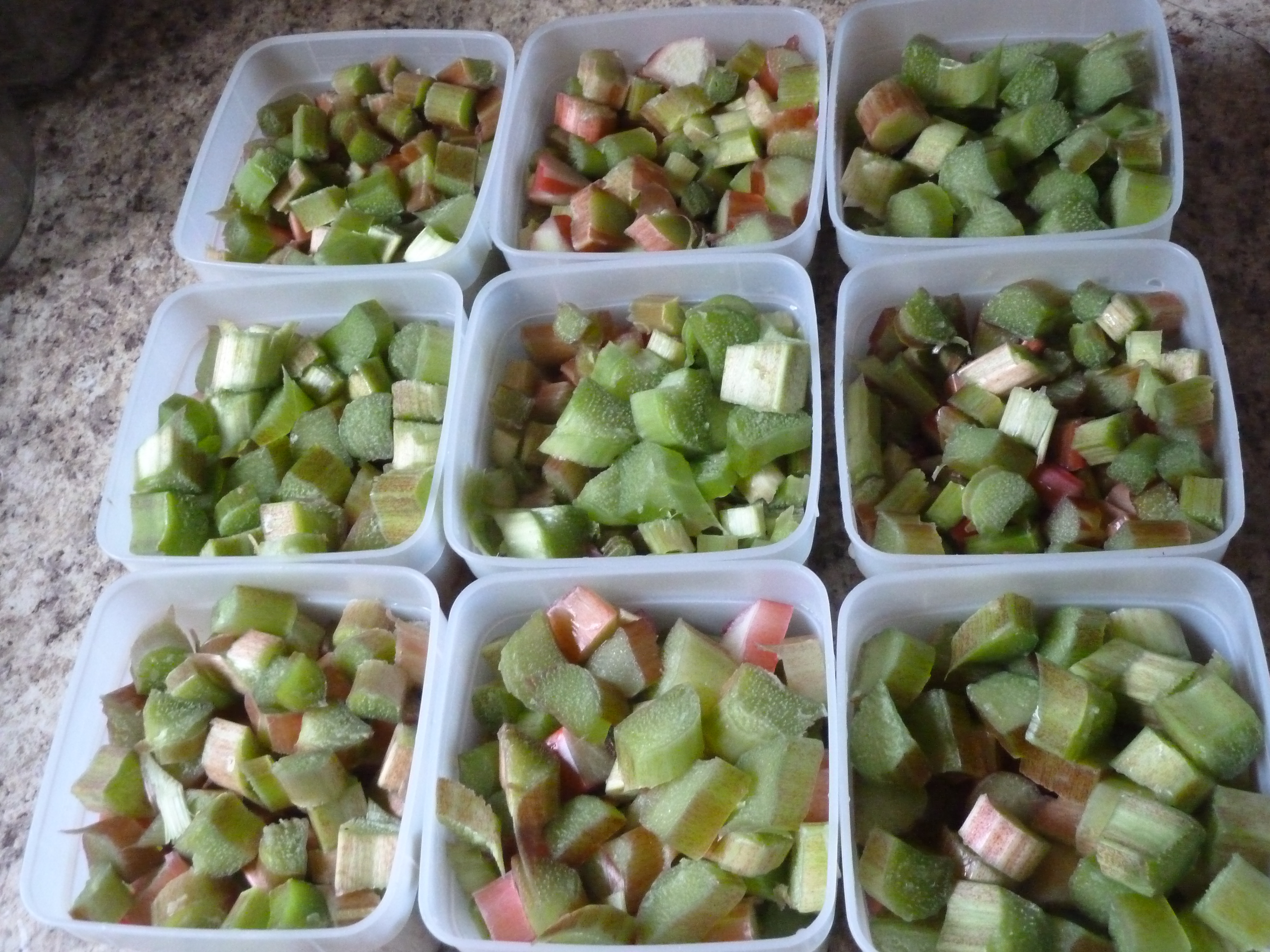
The size and shape of an edible backyard are ever changing. Where I live now, I am fortunate to be able to take advantage of “Mother Nature’s garden” in the form of the woods and wood edges that surround my neighborhood, not to mention the more-than-occasional edible “weed” that slips past the landscaper’s lawnmower. My former edible backyard, however, with the vegetable garden, elderberry and hazelnut bushes, and rhubarb patch, went out of my life when I sold my house last December. At this time of year, I really miss that rhubarb patch. Fortunately, there are generous friends who are happy to share the bounties of their backyards. My friend Sarah offered to let me help myself to her rhubarb patch. And help myself I did.

P1020036

The edible backyard takes many forms. No matter where you live, delicious, natural, organic local food is available to you, once you start looking.

Posted in food from the garden | Tagged | Leave a comment

I hit the jackpot!

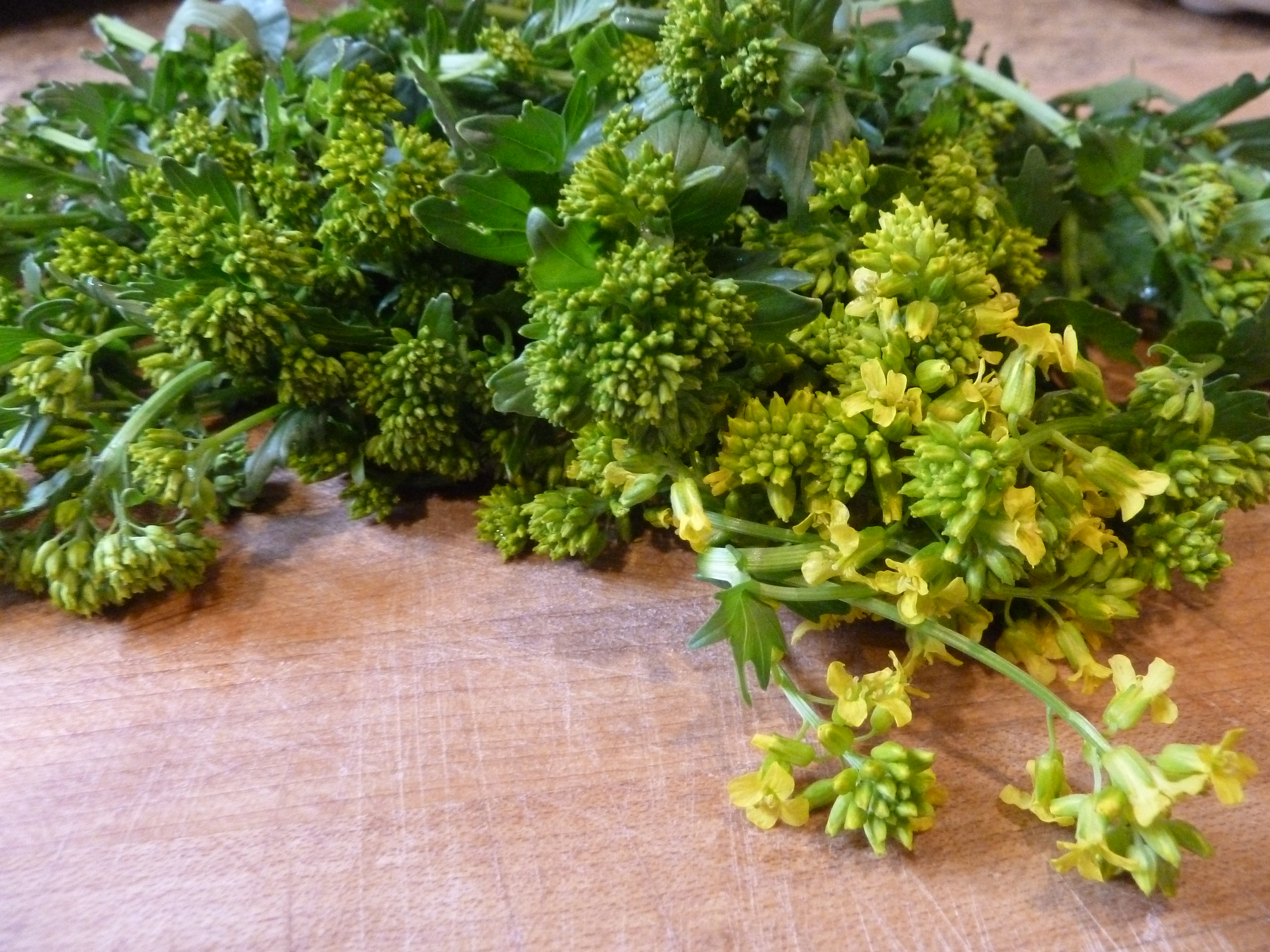
While looking for forget-me-nots this afternoon, I came across another wild delight – wild mustard. It was all over the place. Every time I turned around, I saw more. Some of it was just starting to flower, but most of it was still covered with buds. I stuffed my pockets with as much as they would hold and brought it home.

Here’s my haul:

P1020017

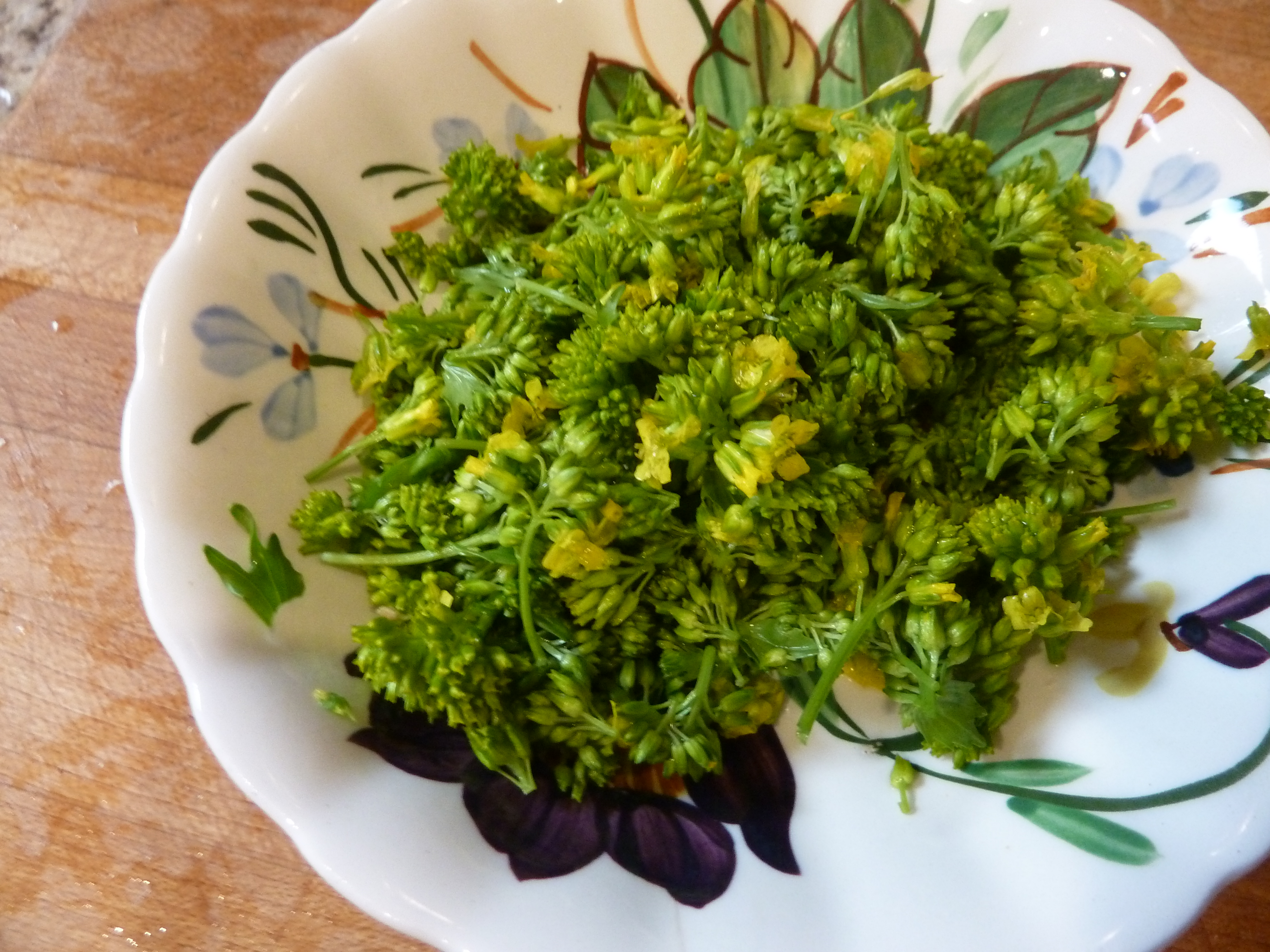
After picking all the buds off, this is what I had:

P1020019

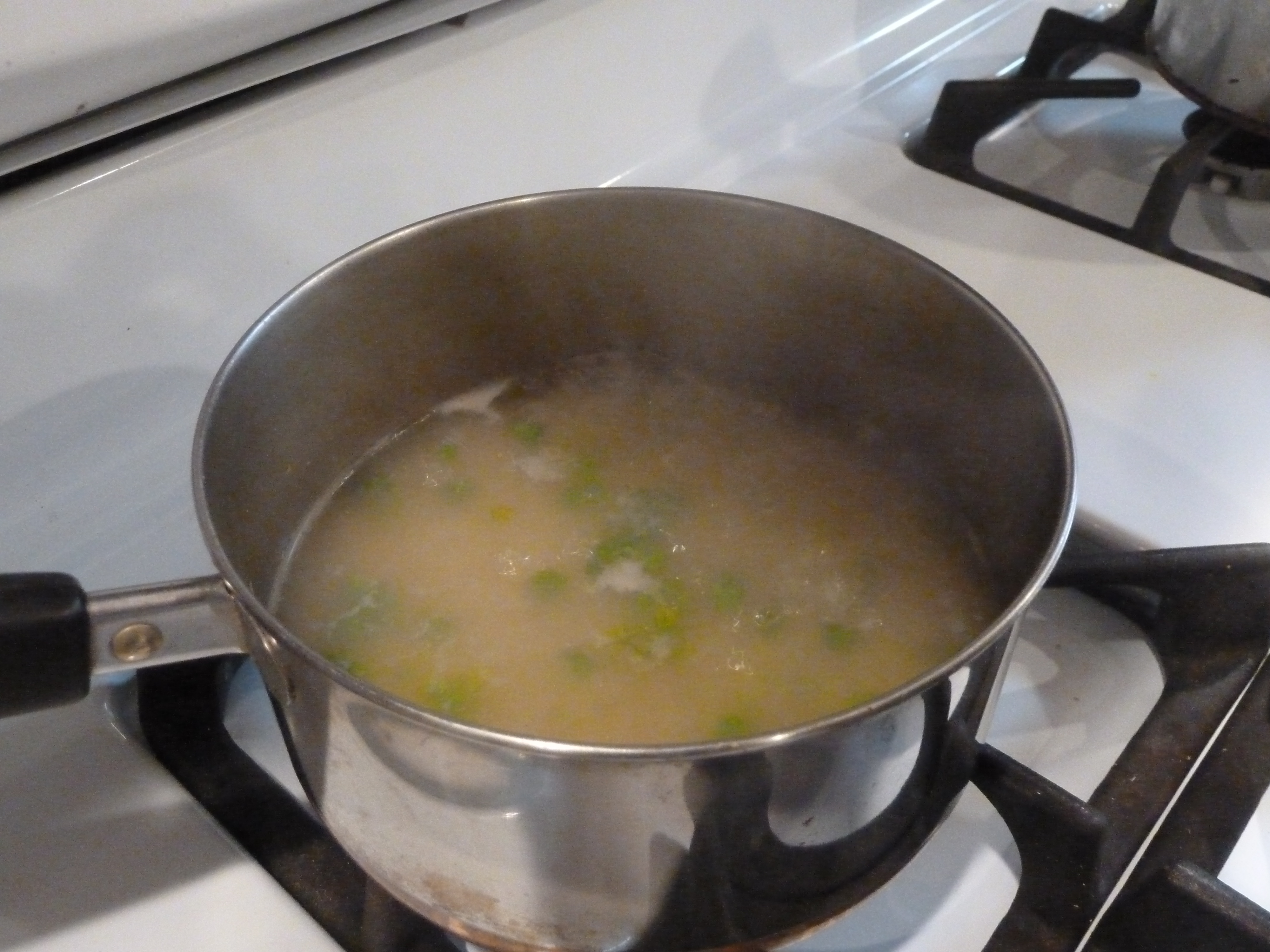
I threw some into the rice pot.

P1020022

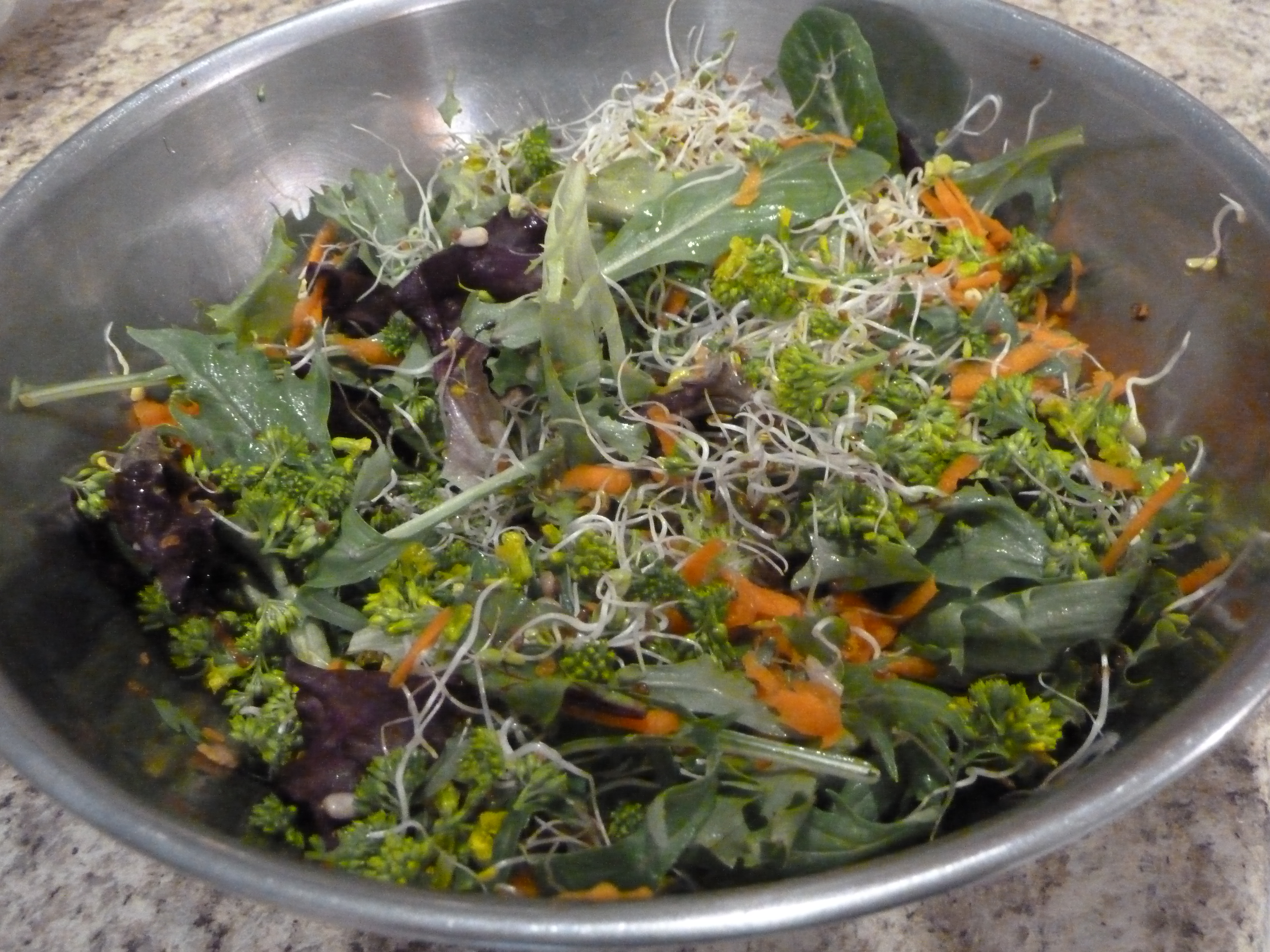
The rest went into the salad.

P1020024

Yum! It tastes like tiny spicy broccoli. Now that I know where to find it, I plan to go back early next spring and pick the young greens.

Posted in wild foods | Tagged | 1 Comment

Exploring the ‘hood

I took a little exploring tour around my new neighborhood this afternoon. Here are some things I found.

P1010988

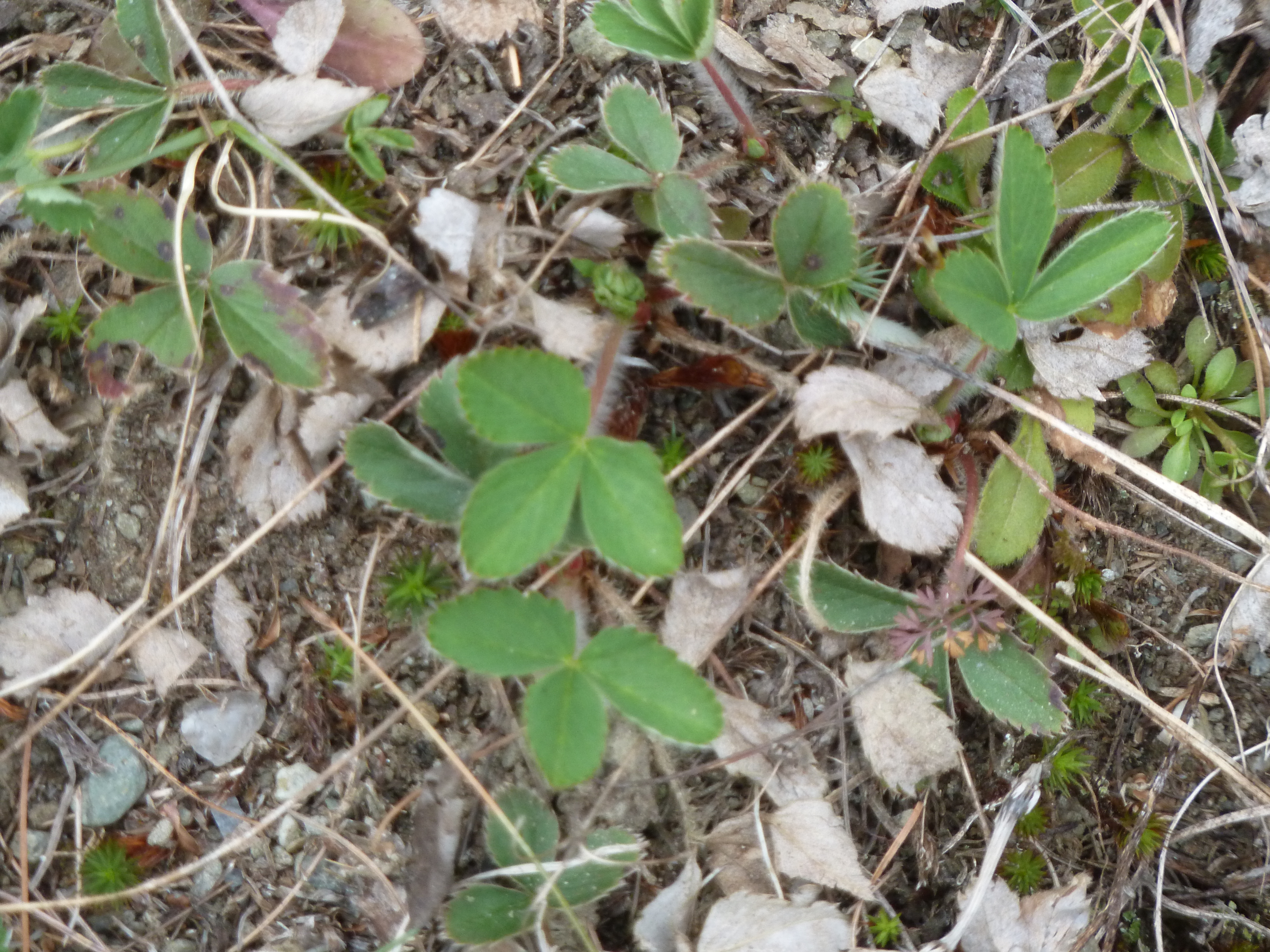
Wild strawberry plants

P1010989

Coltsfoot. I’ve heard it has medicinal uses, but I’ve never tried it.

P1010990   P1020003

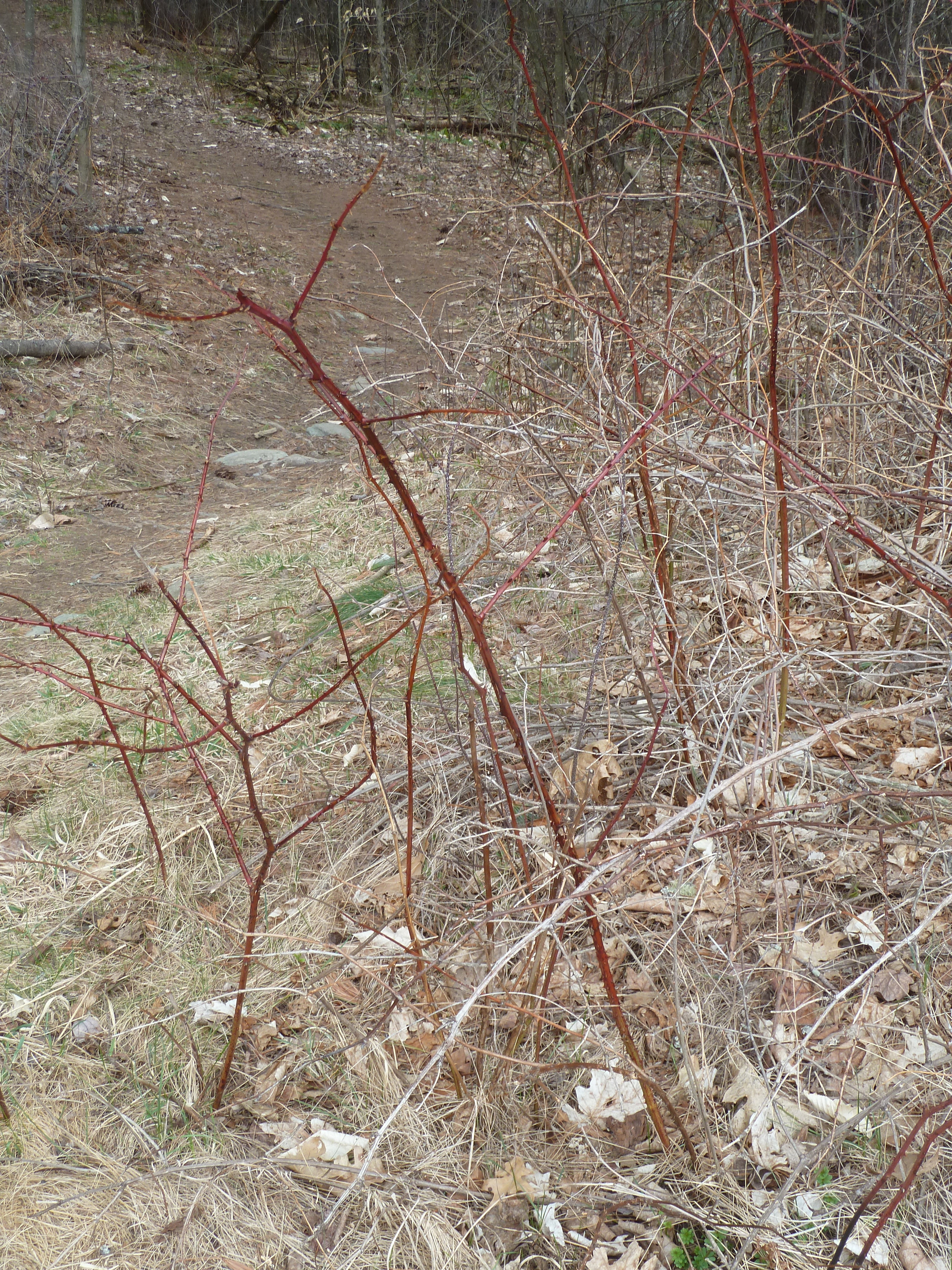
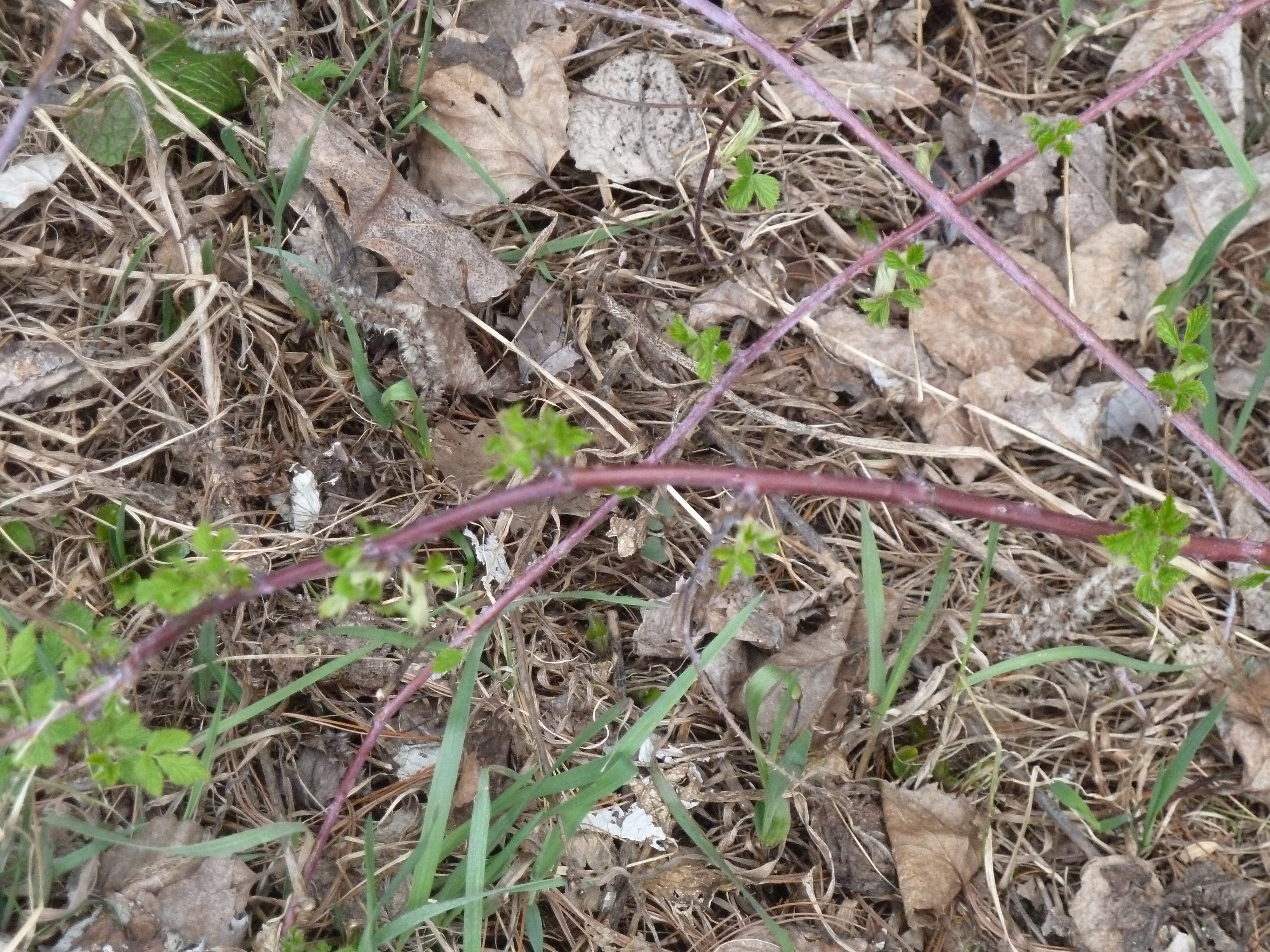
Blackberry canes (or raspberry).

P1010993   P1010999

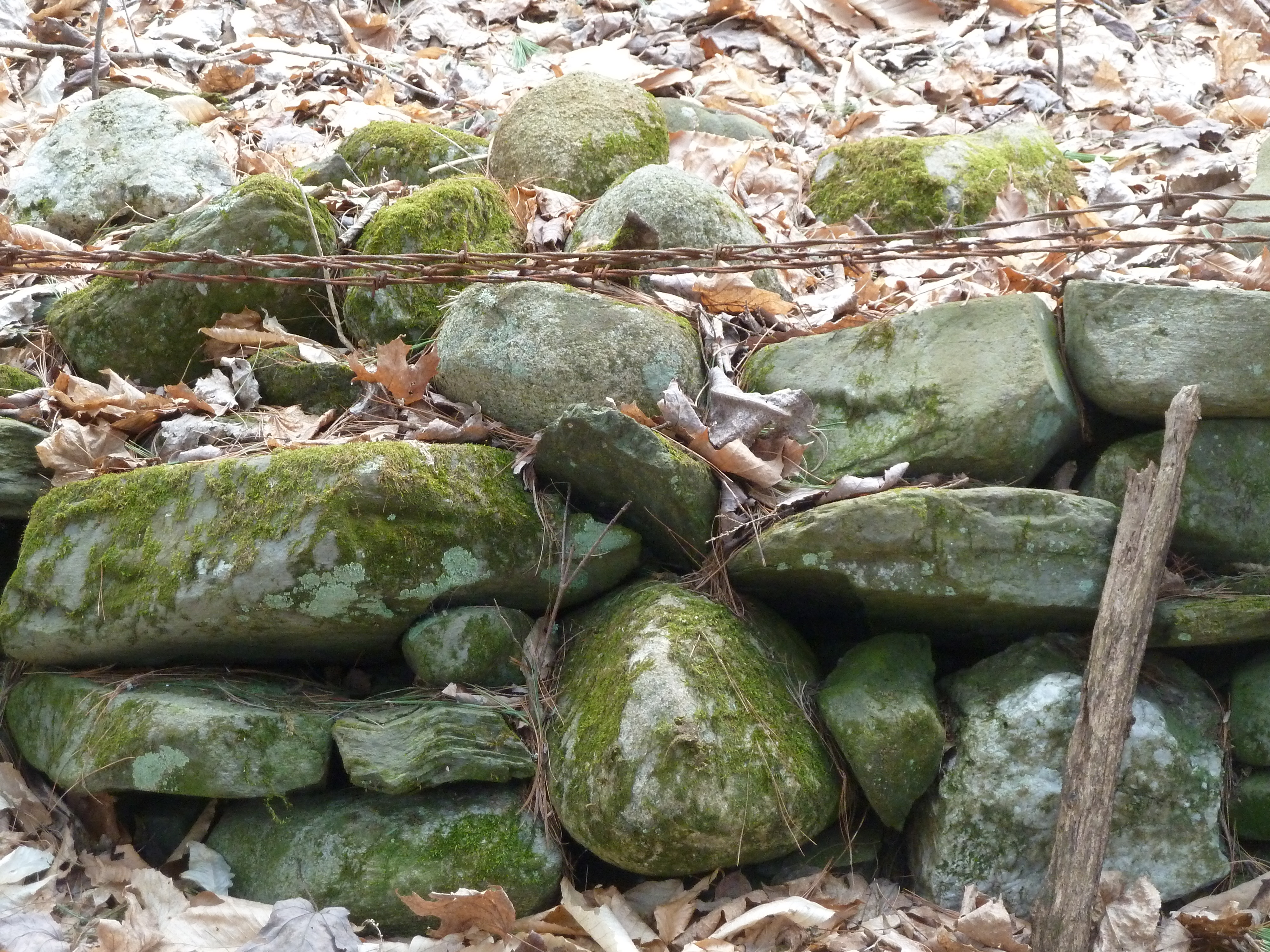
Once this place was a farm. Now it’s a neighborhood with some woods around it (actually, quite a lot of woods).

P1010997

Trout lily – edible, but I’ve never tried it.

P1010998

Someone’s home

P1020001

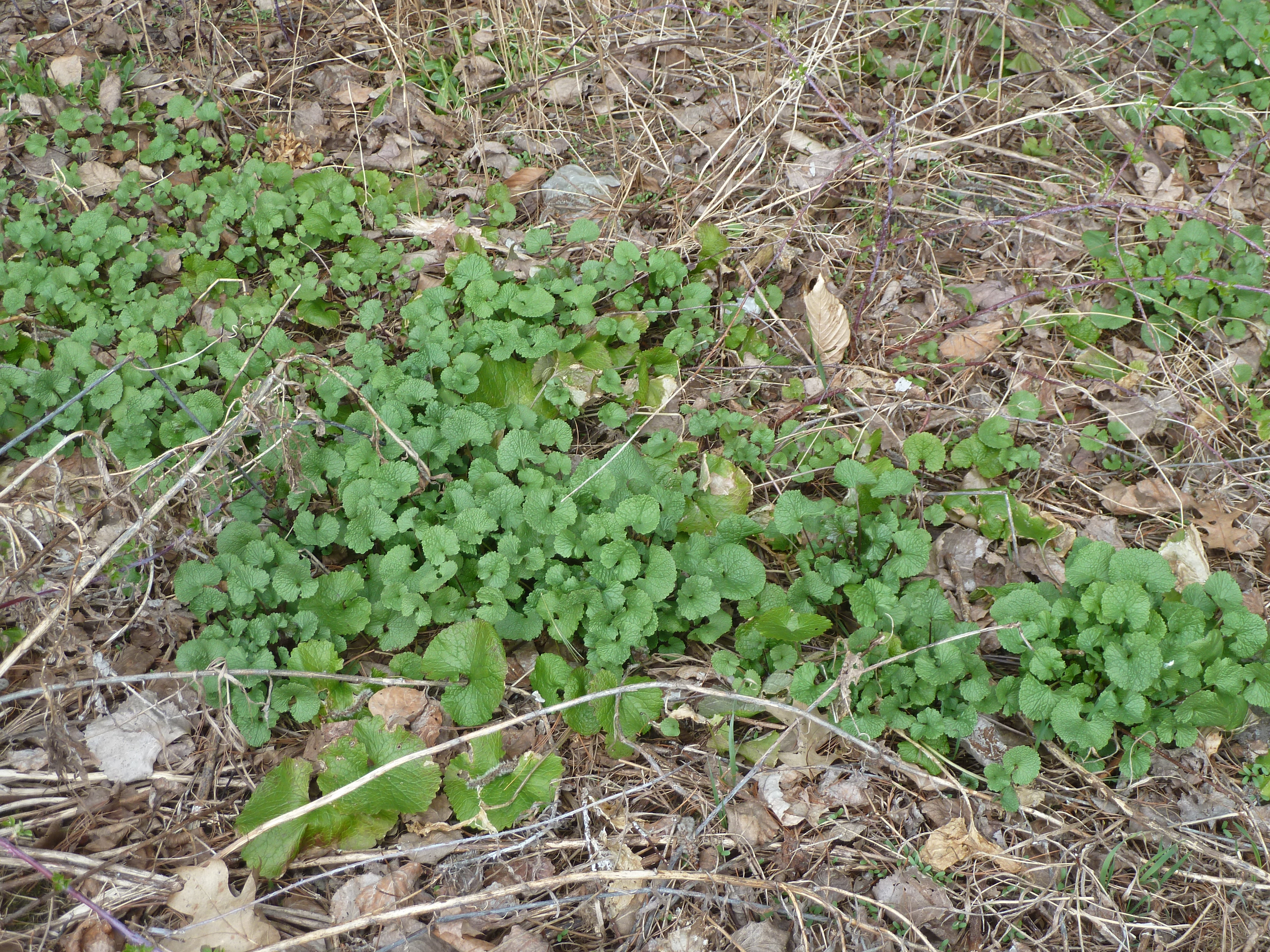
A whole lotta garlic mustard. I might give this vegetable another try sometime.

P1020005

Salad material

P1020008

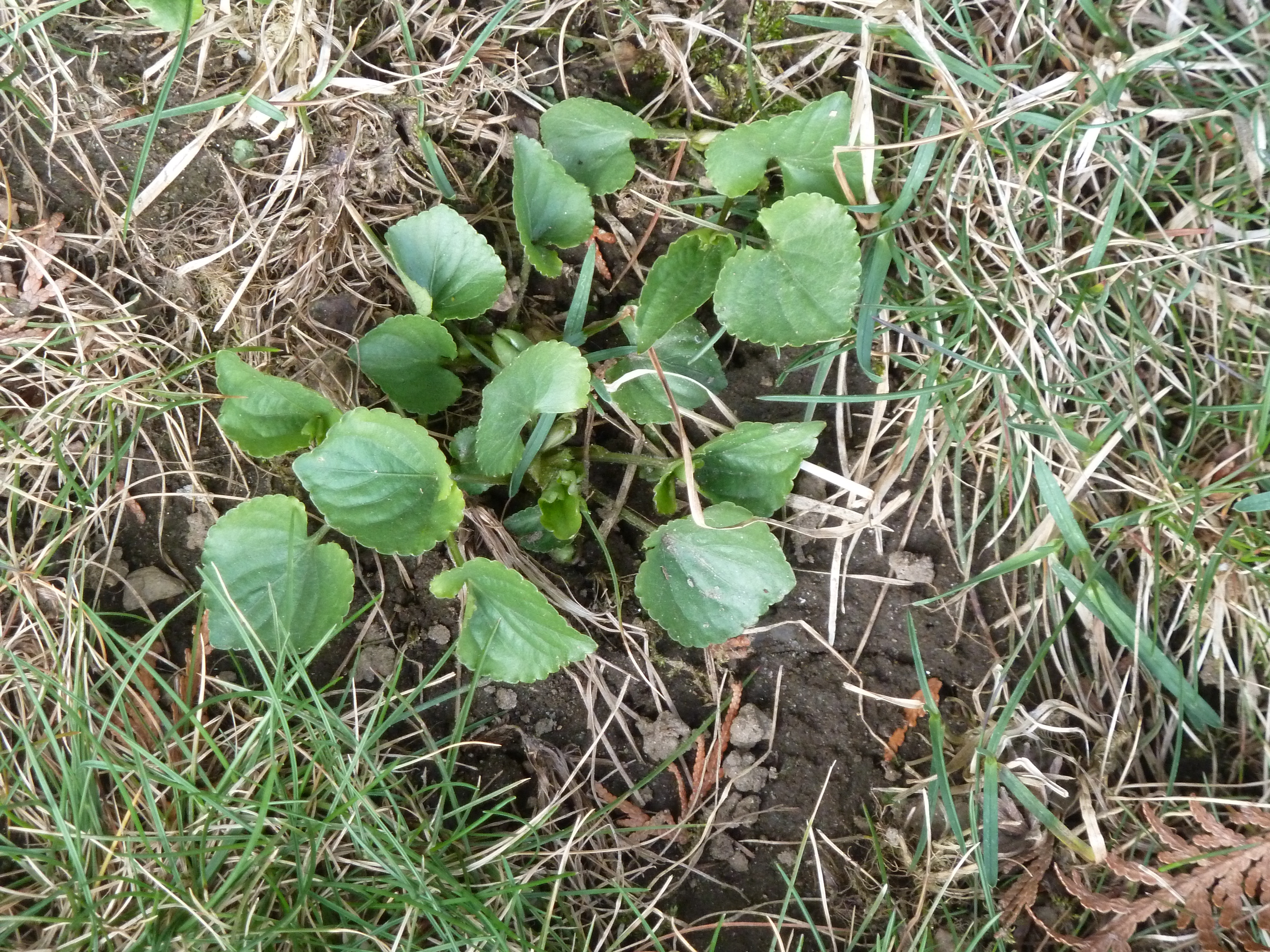
Yummy violet leaves

Posted in nonedibles, wild foods | Tagged , , | Leave a comment

Foraging Around the Edges

I took a walk around the edges of my neighborhood yesterday, in that zone where the manicured lawns meet the scruffy woods, looking to see what edibles the wood edge might offer. It was warm and sunny out in the open, though there were still larges patches of snow in the shaded areas, and the streams were rushing powerfully with the force of melting snow and ice.

Poking out of the leafy debris under a bush, I found what I was looking for.

P1010964

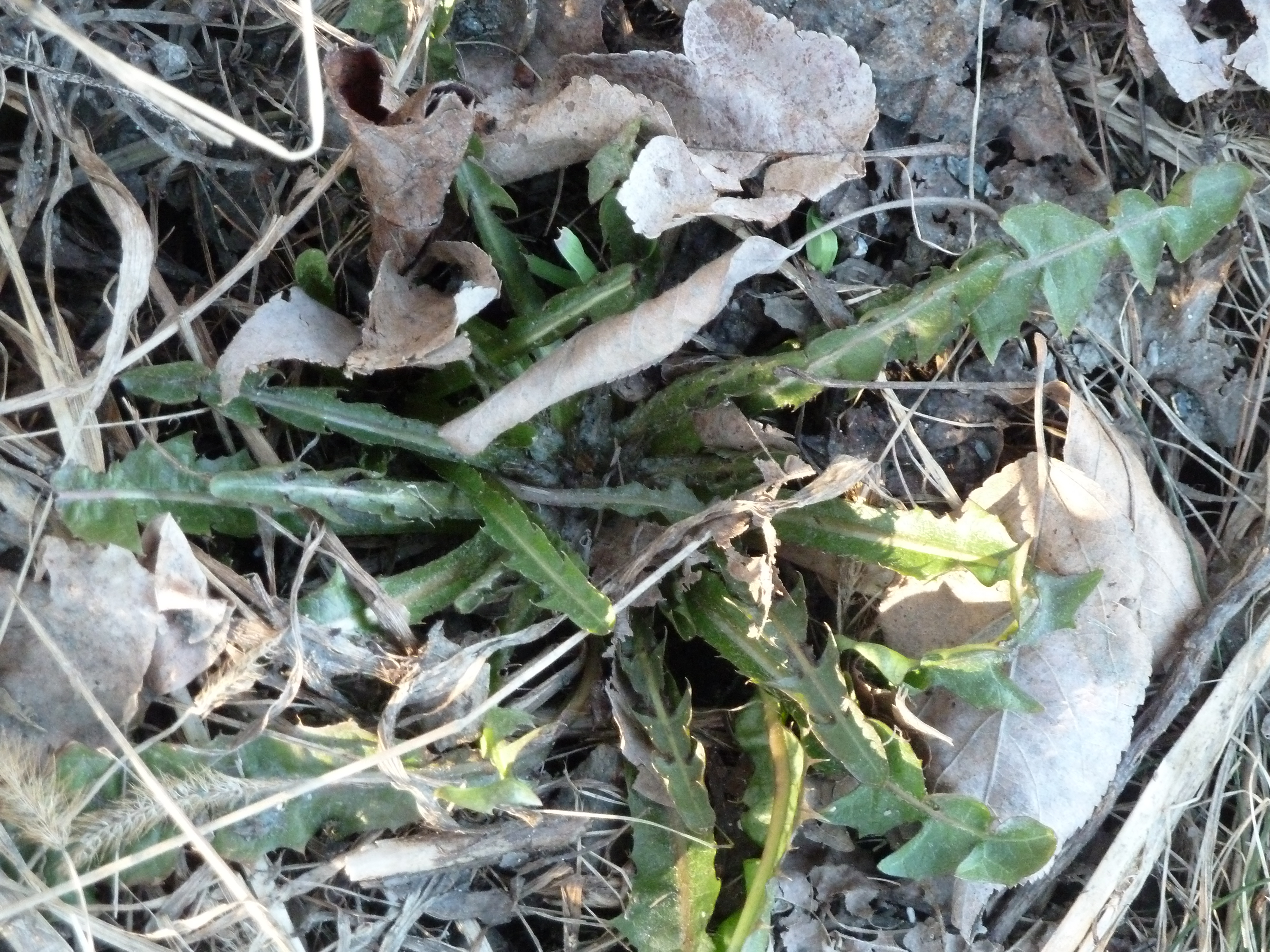
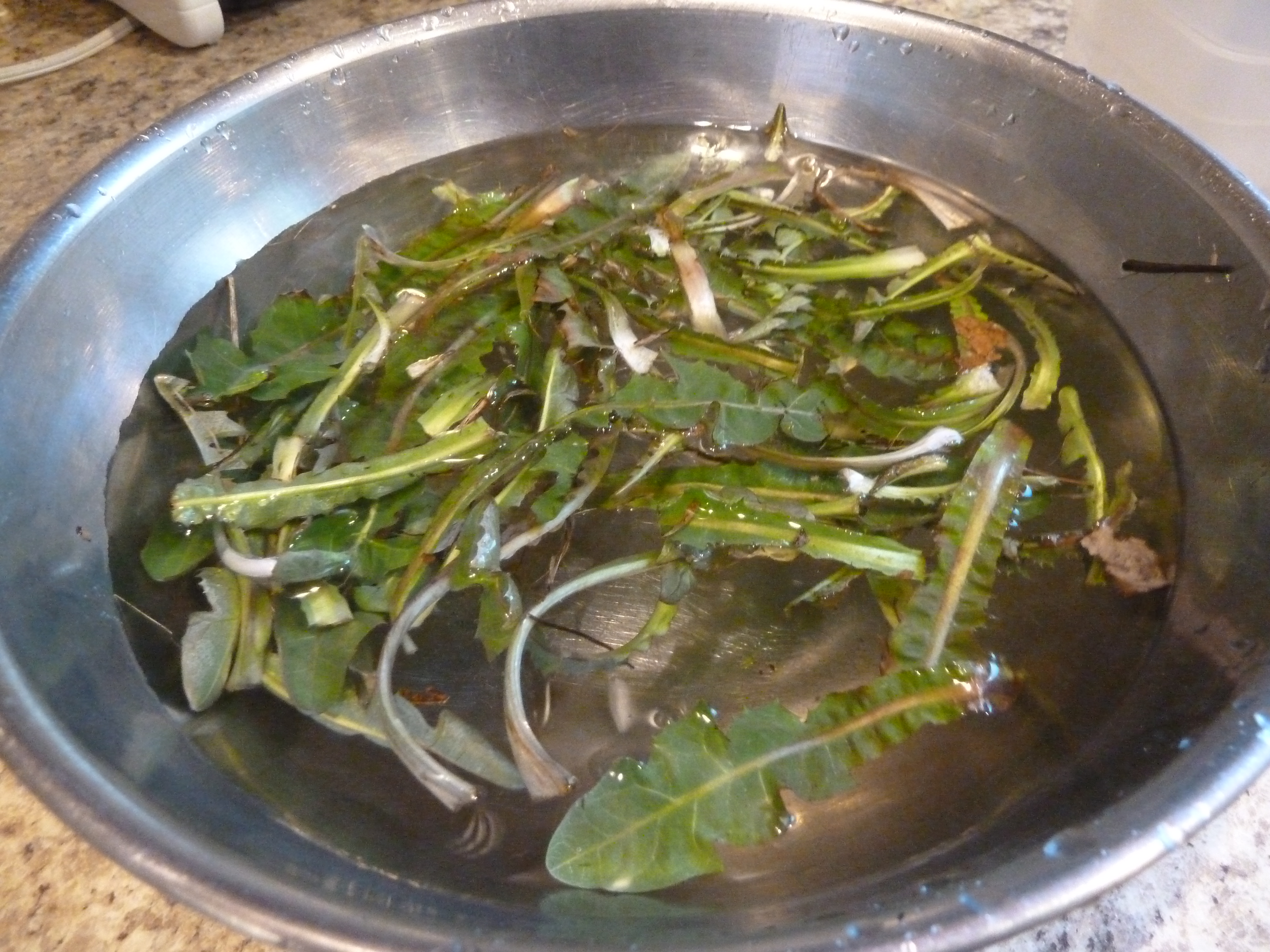
Dandelion greens, the first greens of spring. I dug up several bunches and brought them home. They needed a bit of soaking to get rid of the dust and grit.

P1010966

The rest of the vegetables gave them a warm welcome into the evening salad.

P1010967

My foraging excursion also revealed the tiny new leaves of garlic mustard and violets. I was happy to discover that even a place such as this with a golf course aesthetic provides so many edible possibilities.

Posted in wild foods | Tagged , | Leave a comment

Potato Pancakes: Variations on a Theme

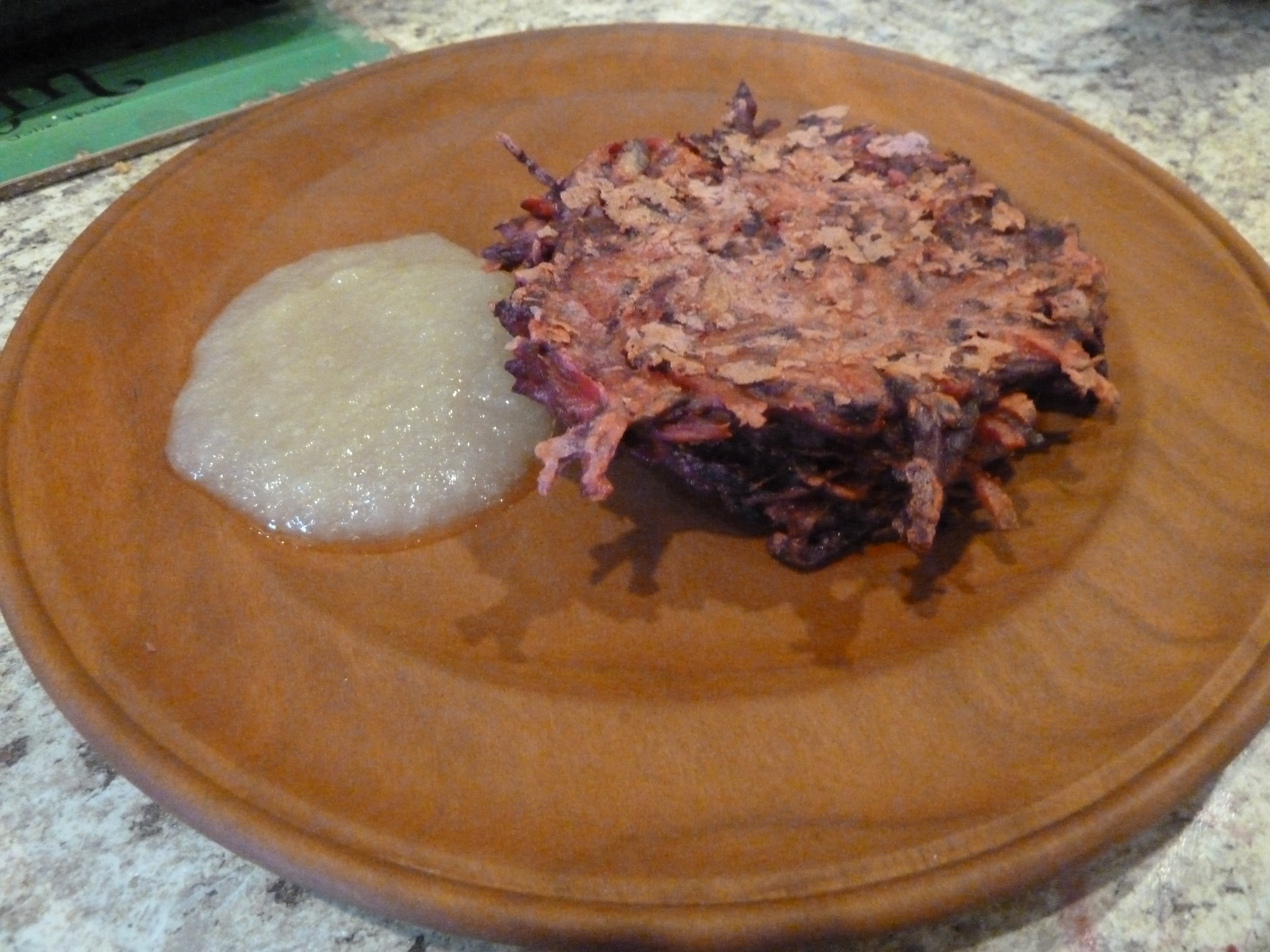
It may be April, but it’s still a bit wintry here in northern New England, with patches of snow all around and cold, brown ground wherever there isn’t snow. So, alas, the spring greens are weeks away and local meals still focus on the root vegetables from last fall’s harvest. Tonight that meal was potato and beet pancakes.

Potato pancakes are easy to make and delicious when they consist of 100% potatoes. Varying them by adding other root vegetables is also tasty and adds color and variety to your plate.

P1010948

You can see that beets add quite a bit of color.

Potato Pancakes

  • 2 medium potatoes, or substitute one of the following for one of the potatoes: one large beet, one large carrot, one medium turnip, an equivalent amount of celeriac.
  • 2 beaten eggs
  • 4 tablespoons flour

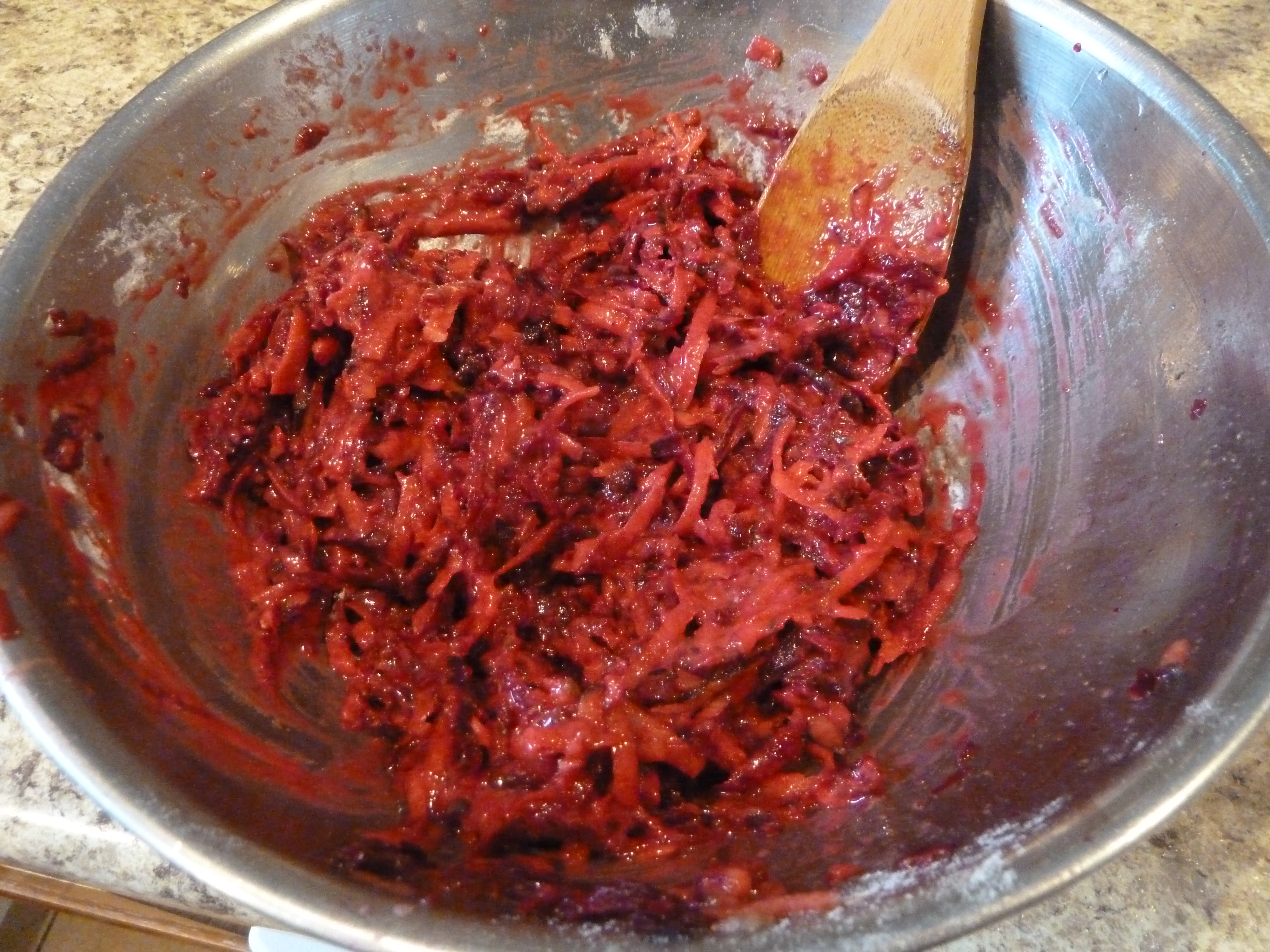
Peel (if you want) and grate the vegetables, squeeze the water out the potatoes, and mix the vegetables well. Add the eggs, the flour, and salt and pepper to taste, and mix well. You can also add some chopped onion if you like, and some fresh dill if you have it.

P1010950

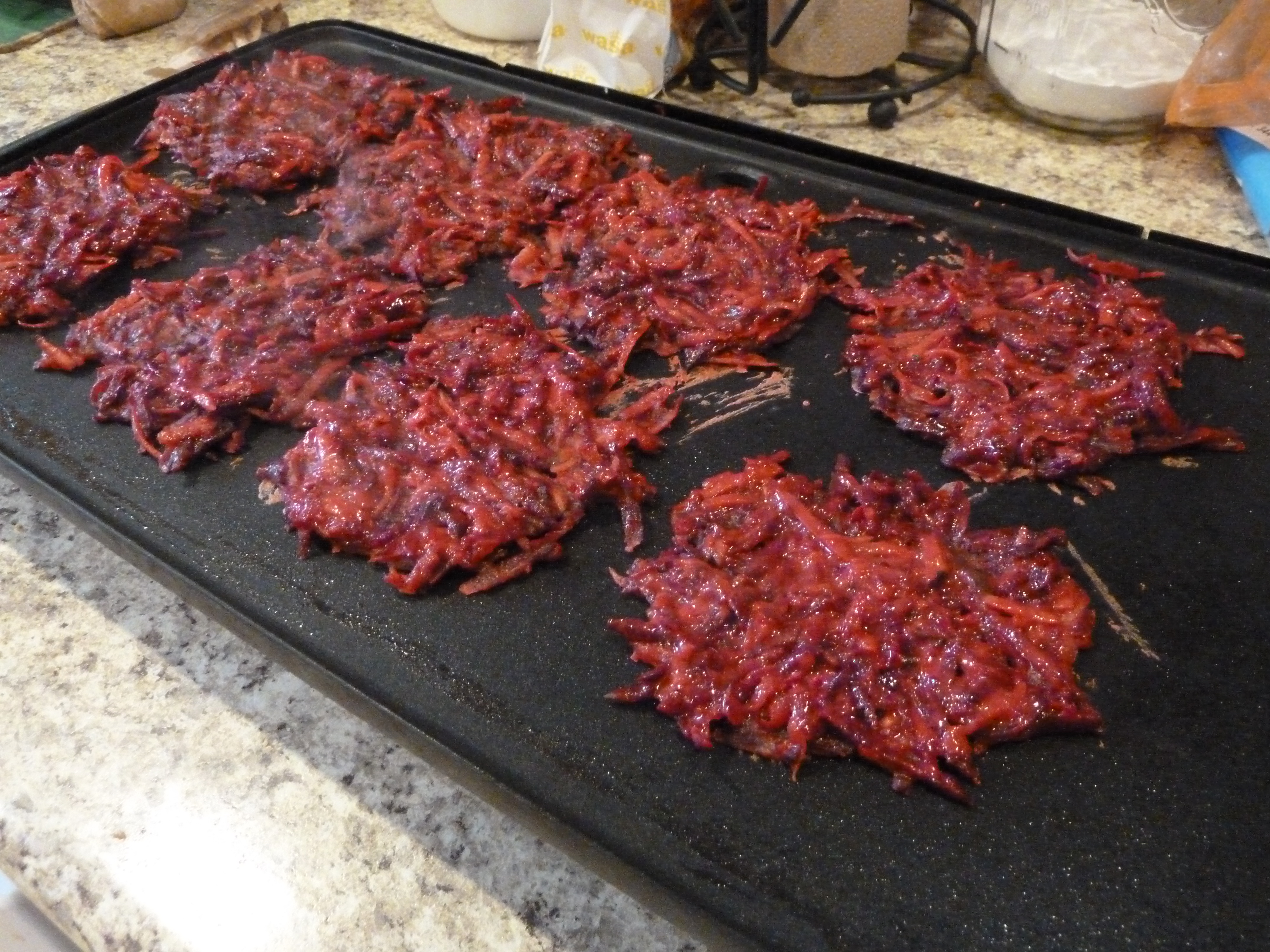
Drop by spoonfuls onto a greased griddle and cook on both sides until browned. Serve with applesauce.

P1010952

Posted in food from the garden, recipes | Tagged , , , , , , | 2 Comments

Reduce/Reuse/Recycle: this week’s shopping

Here’s the reduce/reuse/recycle analysis of this week’s grocery shopping:

  • Coffee, walnuts, rice – from the bulk foods section, using reused bags brought from home
  • Produce – mostly loose, with the exception of mesclun lettuce mix, in a reused bag brought from home
  • Milk – in returnable glass bottles
  • Eggs – local eggs packaged in a reused carton. When the carton is empty, I will take it back to the co-op and it will be used yet again.
  • Canned tomatoes – three cans, they will be recycled
  • chocolate bar (hey, it’s full of anti-oxidants) – in paper wrapping, it will be recycled
  • Cheese – in plastic wrap which I don’t believe can be recycled

That’s not too bad. Unfortunately, the local food analysis comes in a lot worse. The milk, eggs, and cheese are all from local producers. Nothing else is.  I did, however, pick up a couple of non-grocery reused items on my shopping trip. A visit to the thrift store resulted in a new-to-me shirt and pair of socks, and at the co-op I picked up some previously-read magazines from the “free magazines” box. When I am done reading them, I’ll return them to the co-op, or I may save them for collage projects.

Posted in nonedibles | Tagged | Leave a comment