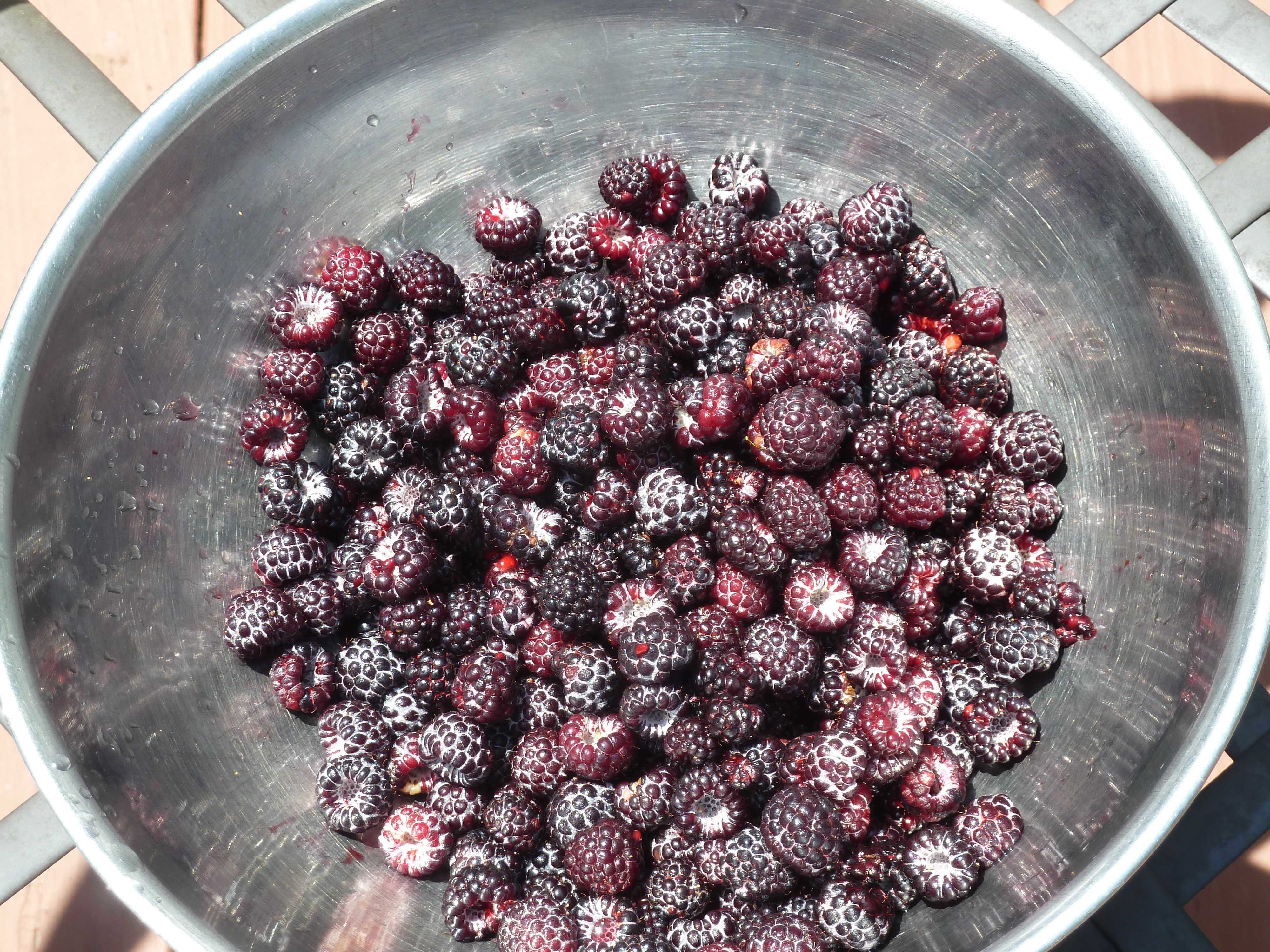
More Cold Weather Plants

I like bringing in dried plants to enjoy indoors, but I also enjoy them in their natural habitat. Here’s what I found around the neighborhood today.

P1020357 P1020359

This milkweed won’t look like this for long, so I’m glad I got a glimpse of it today.

P1020363 P1020373

Queen Anne’s lace. It looks like lots of little stars.

P1020370 P1020367

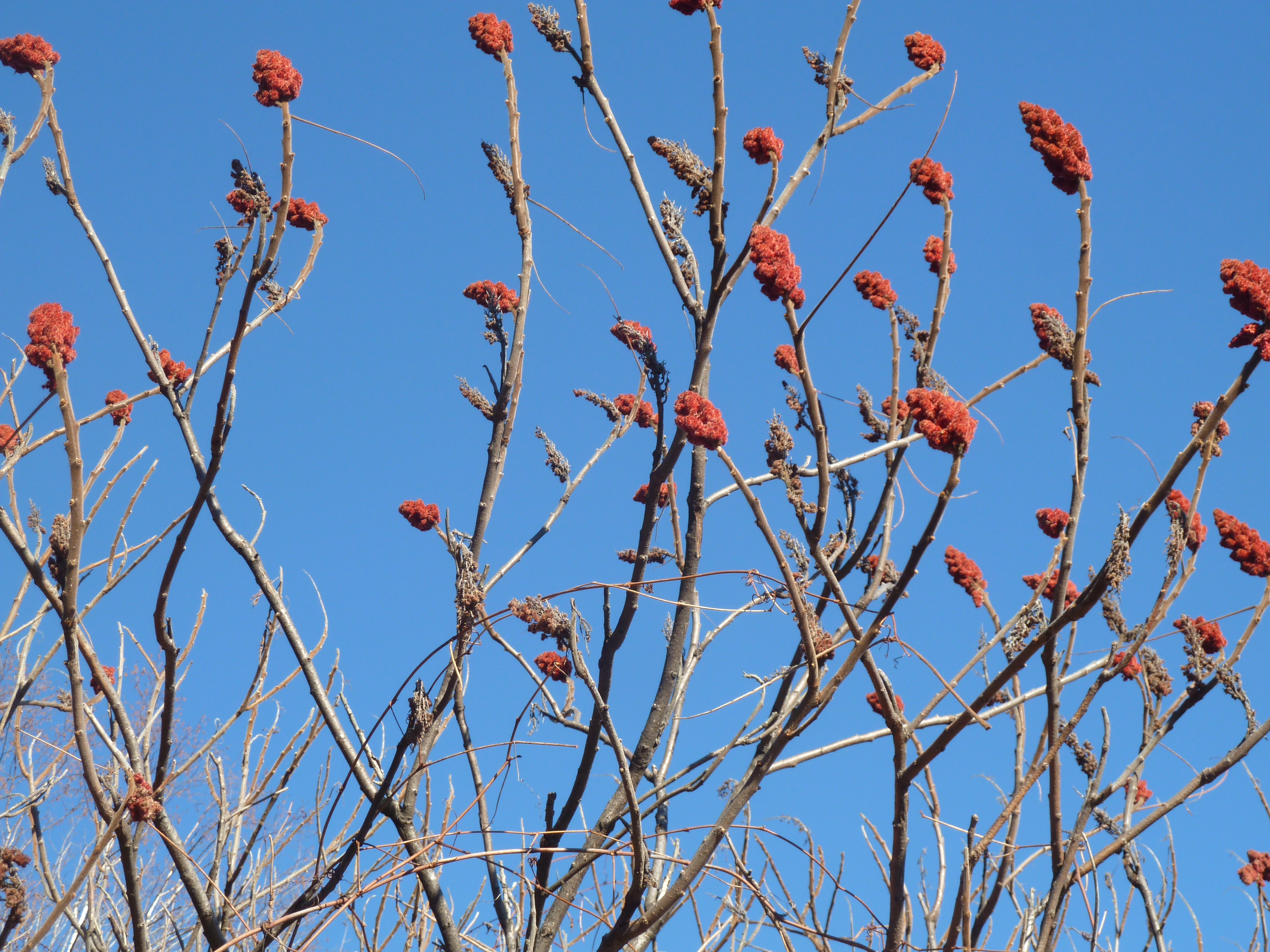
I love sumac any time of year.

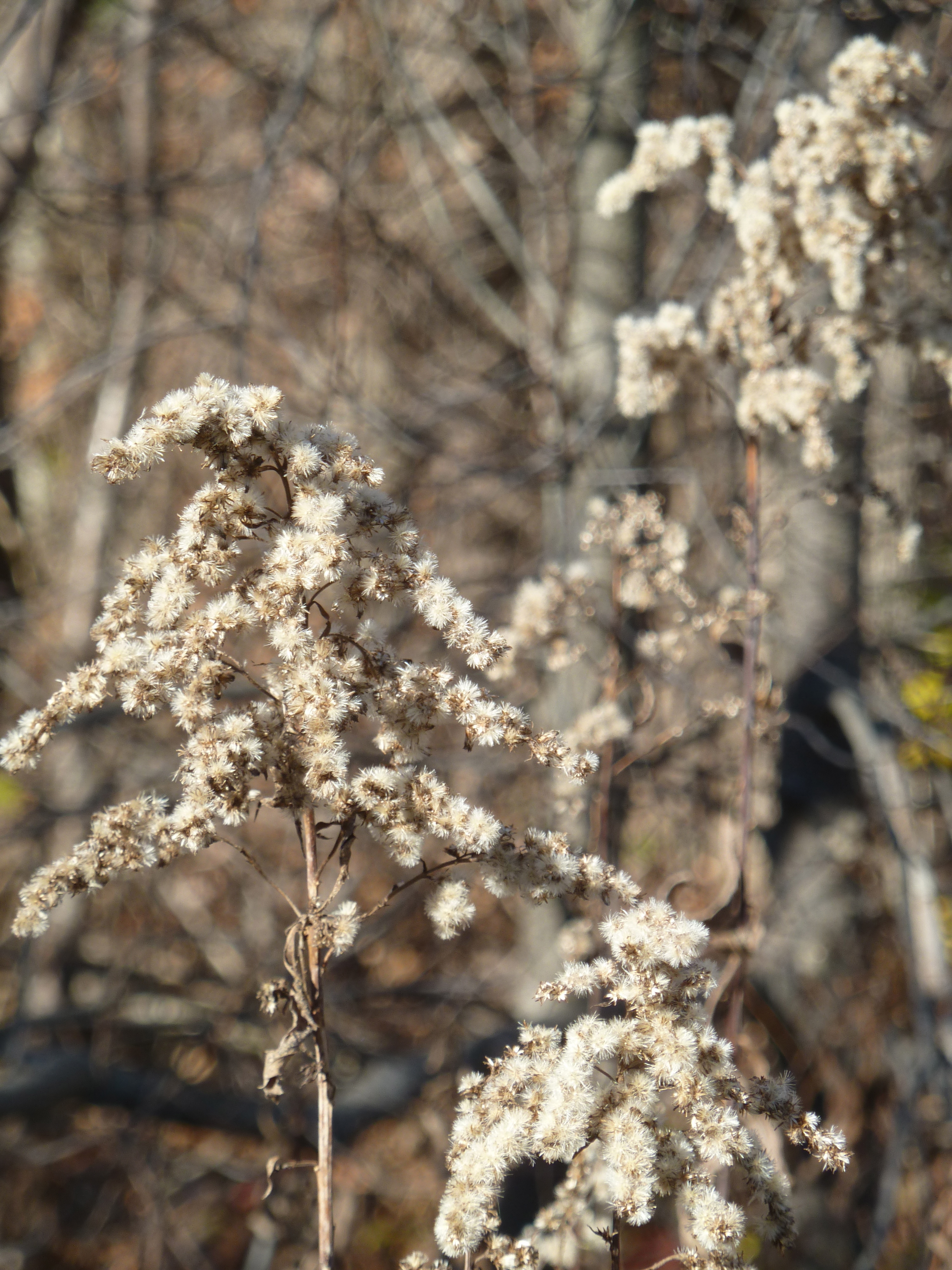
P1020368P1020375

Golden rod. Not so golden at this time of year.

Posted in nonedibles | Tagged | Leave a comment

Flowers for Winter

Just because winter is on the way, it doesn’t mean that the season for enjoying flowers is over. So many plants are as beautiful and interesting dried as they are when freshly picked.

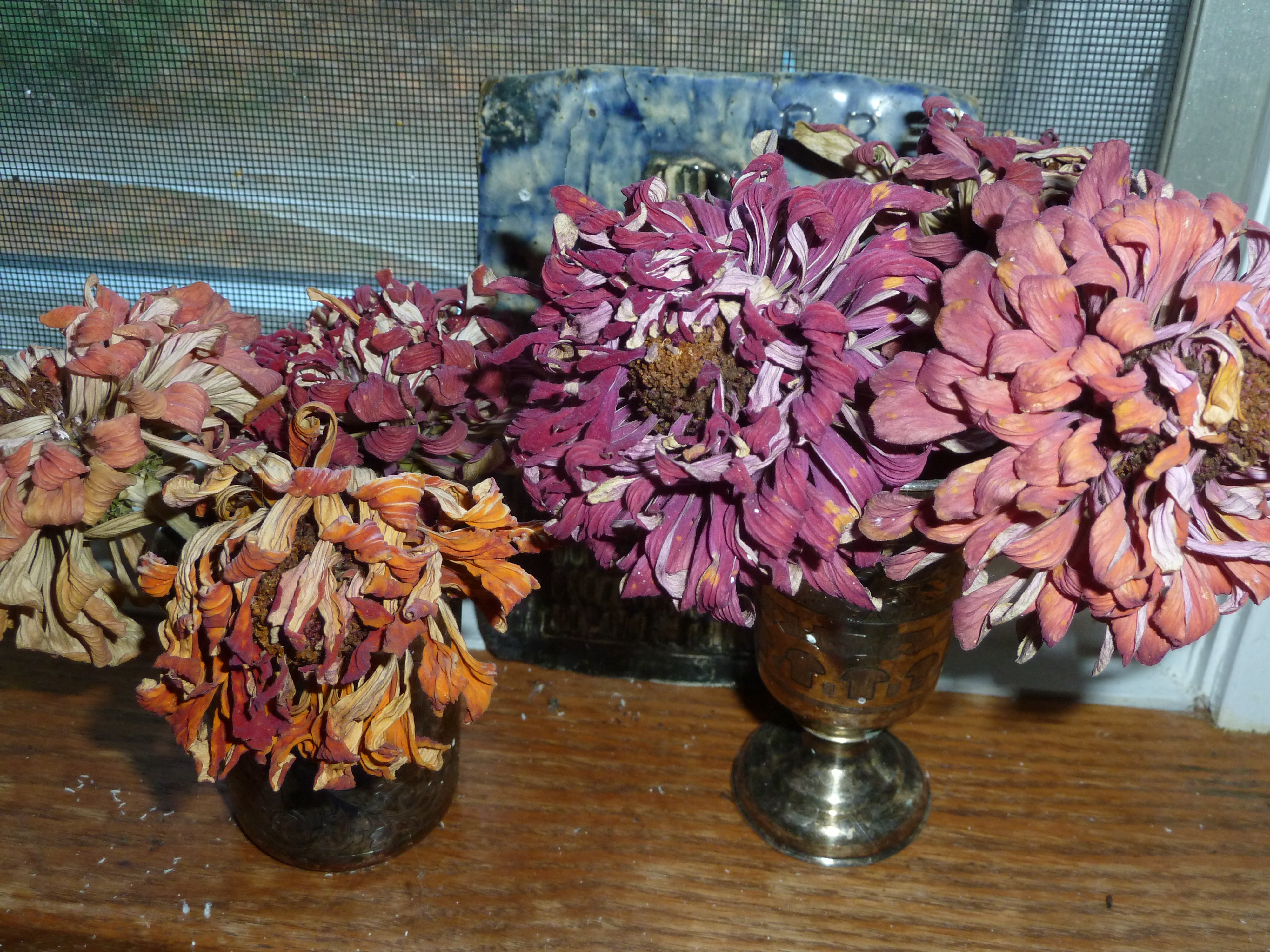
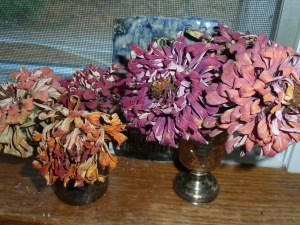
Zinnias are very easy to dry. I cut one or two flowers at a time and put them in a vase with no water. I cut the stems so the bottom of the flower head is the same height as the top of the vase. That way, the stem stays straight as the flower dries.
P1020333

As you can see, the dried flowers are a bit duller than fresh ones, but they still retain a lot of color. I have these in vases all around my house.

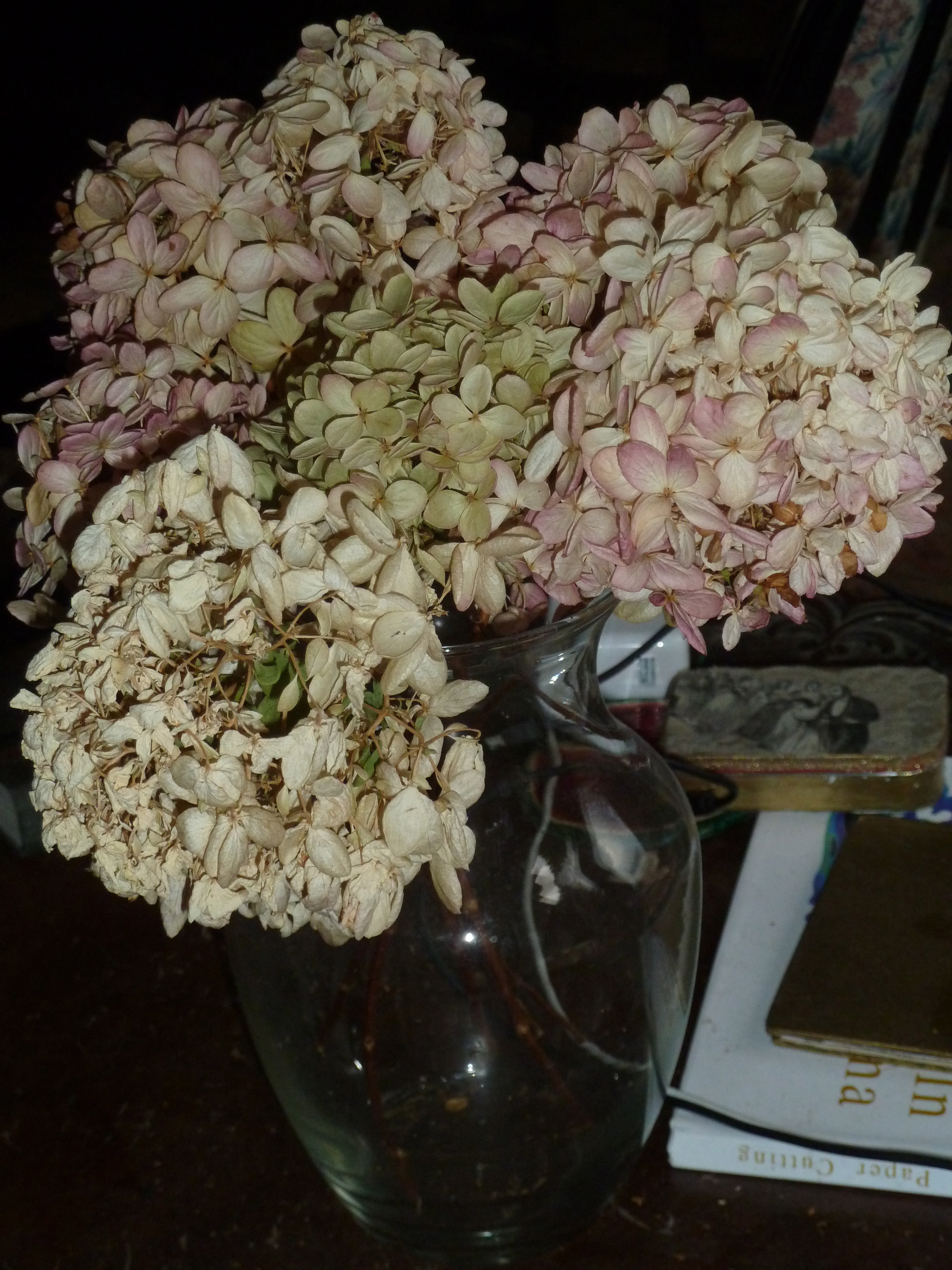
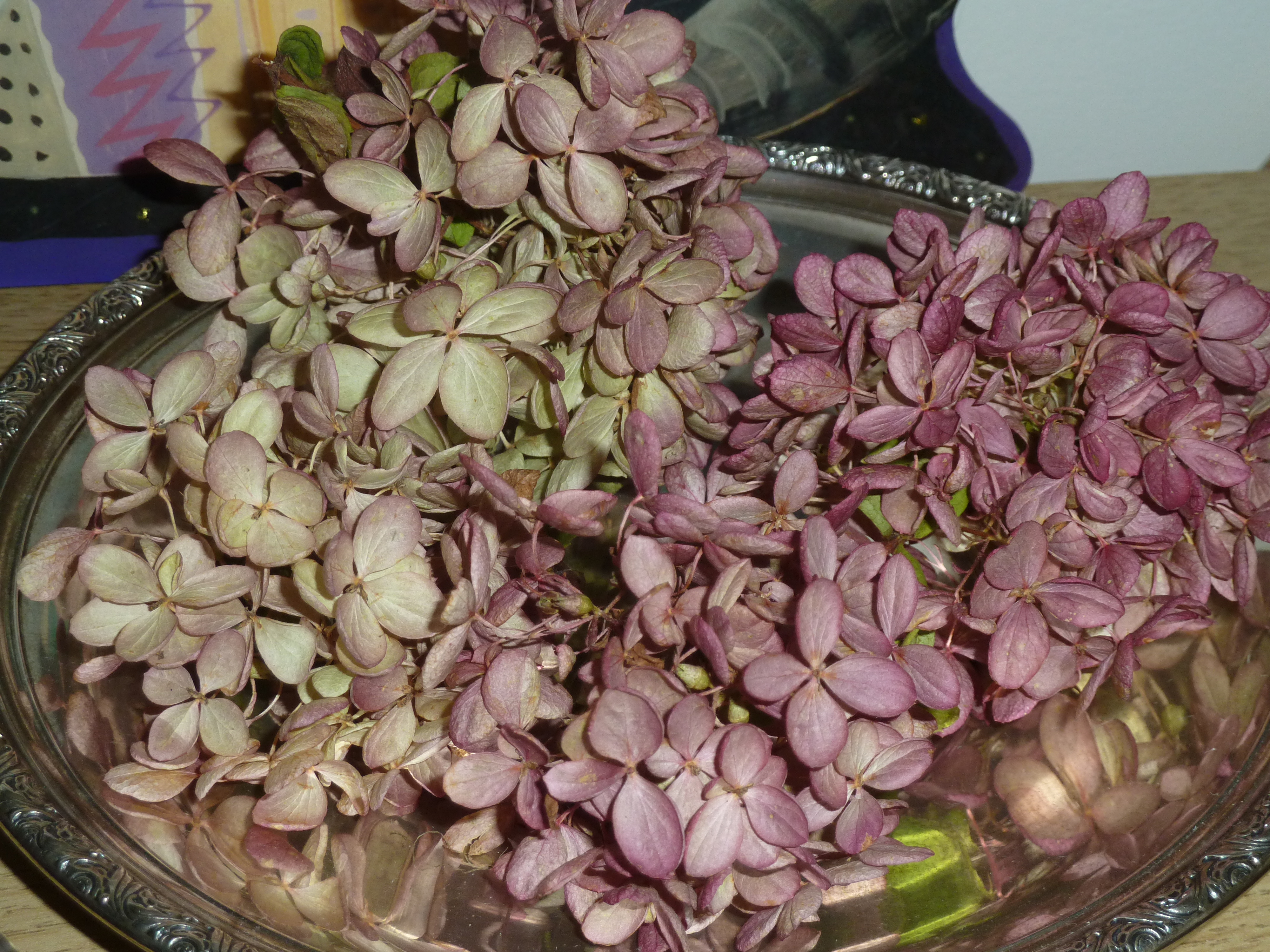
Hydrangeas also dry really easily, by the same method.

P1020351 P1020353

I cut these hydrangeas from the same plants. Earlier in the season they are white with a pink blush. Later they turn deep pink and green. Dried, they still have most of their original color.

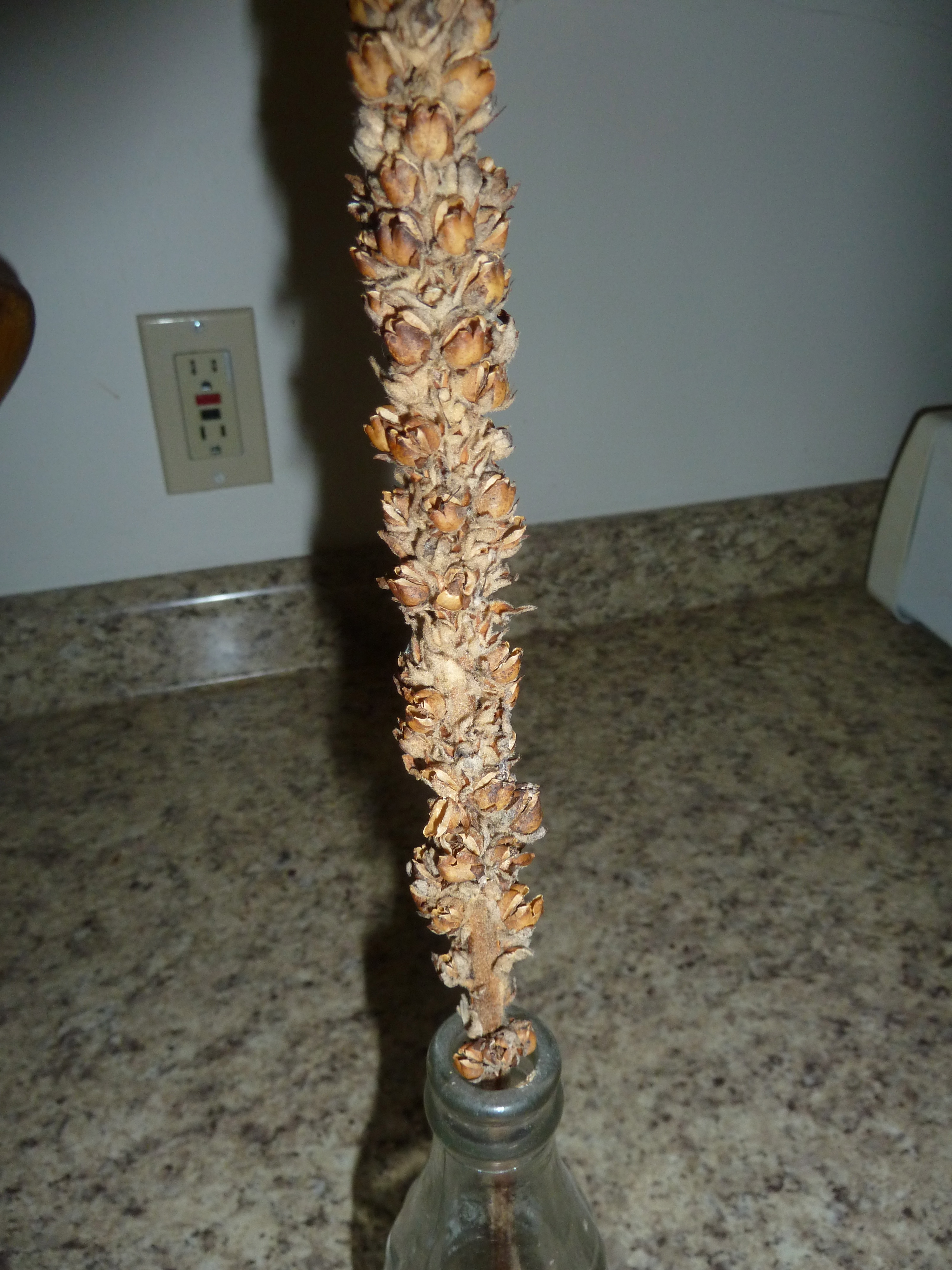
Here are some plants that lose their color when dry, but I enjoy their beautiful forms.
P1020335

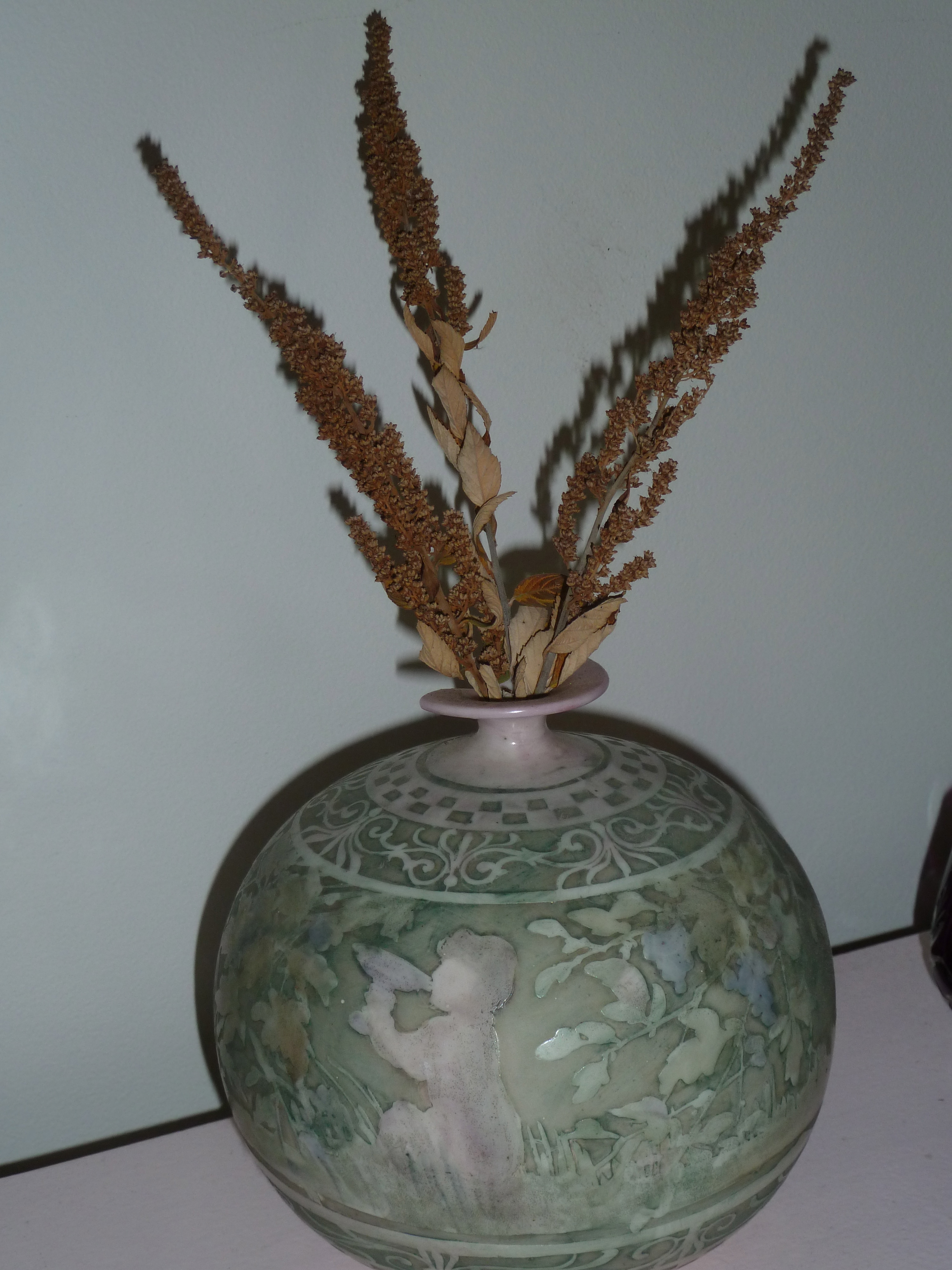
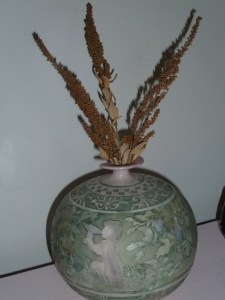
This is steeple bush, a common wild plant around here. The fresh flowers are pink.
P1020347

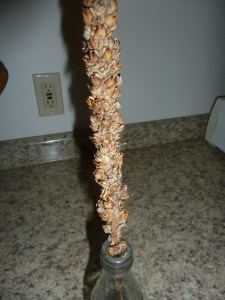
The flower stalk of common mullein. The fresh stalk is covered with green buds and tiny yellow flowers.

P1020340

Spore cases and leaf of sensitive fern.

Although the chance for cutting fresh zinnias and hydrangeas has passed for this year, you’ll find dried steeple bush, mullein, fern spore cases, and many other beautiful wild plants in the fields and woods throughout the autumn, and even all winter, if they are in places where the snow does not get too deep.

Posted in nonedibles | Tagged , | 1 Comment

A Profusion of Apples

It seems there’s been a bumper crop of apples this year. I see them everywhere I go — along roadsides, in people’s yards, peeking out of wood edges — trees dripping with apples and piles of fallen fruit at their feet. I’ve certainly been taking advantage of this abundant apple season and have been harvesting from a couple of apparently orphaned trees near my house.

P1020313

Here is how I have been using the fruits of my harvest:

Breakfast — Every morning we enjoy chopped apples with our oatmeal. They’re good with cold cereal, too.

Applesauce — We’ve been eating it fresh and have loads in the freezer for later enjoyment

Sandwiches — Sliced apples combined with peanut butter or cheese and some sprouts make a great sandwich.

Bread pudding — Add a couple of sliced apples and a handful of raisins to your favorite bread pudding recipe for a tasty dessert.

Apple crisp — Need I say more?

Crepes — I make a filling of sliced apples baked with sugar, cinnamon, raisins, and walnuts.

When life gives you apples, you might as well eat them. Especially when they’re free, fresh, and organic.


Posted in fruits | 3 Comments

Overabundance

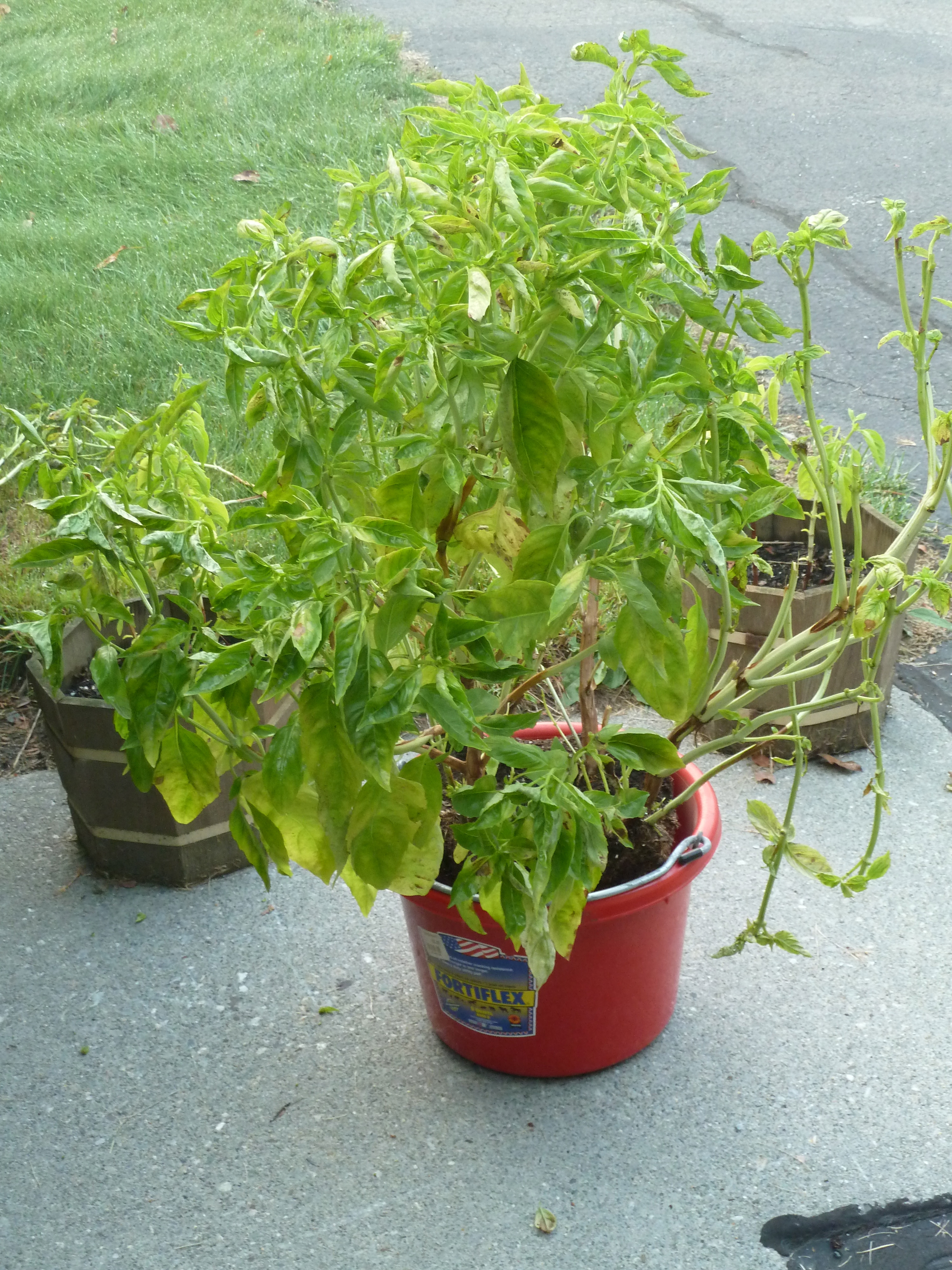
I’ve gleaned quite a few treasures from our neighborhood garden dump over the summer. I am amazed at the still-good things people dump there. My edible finds this summer have included two perfectly good and still-growing basil plants

P1020278

from which I’ve made a couple of batches of pesto

P1020280

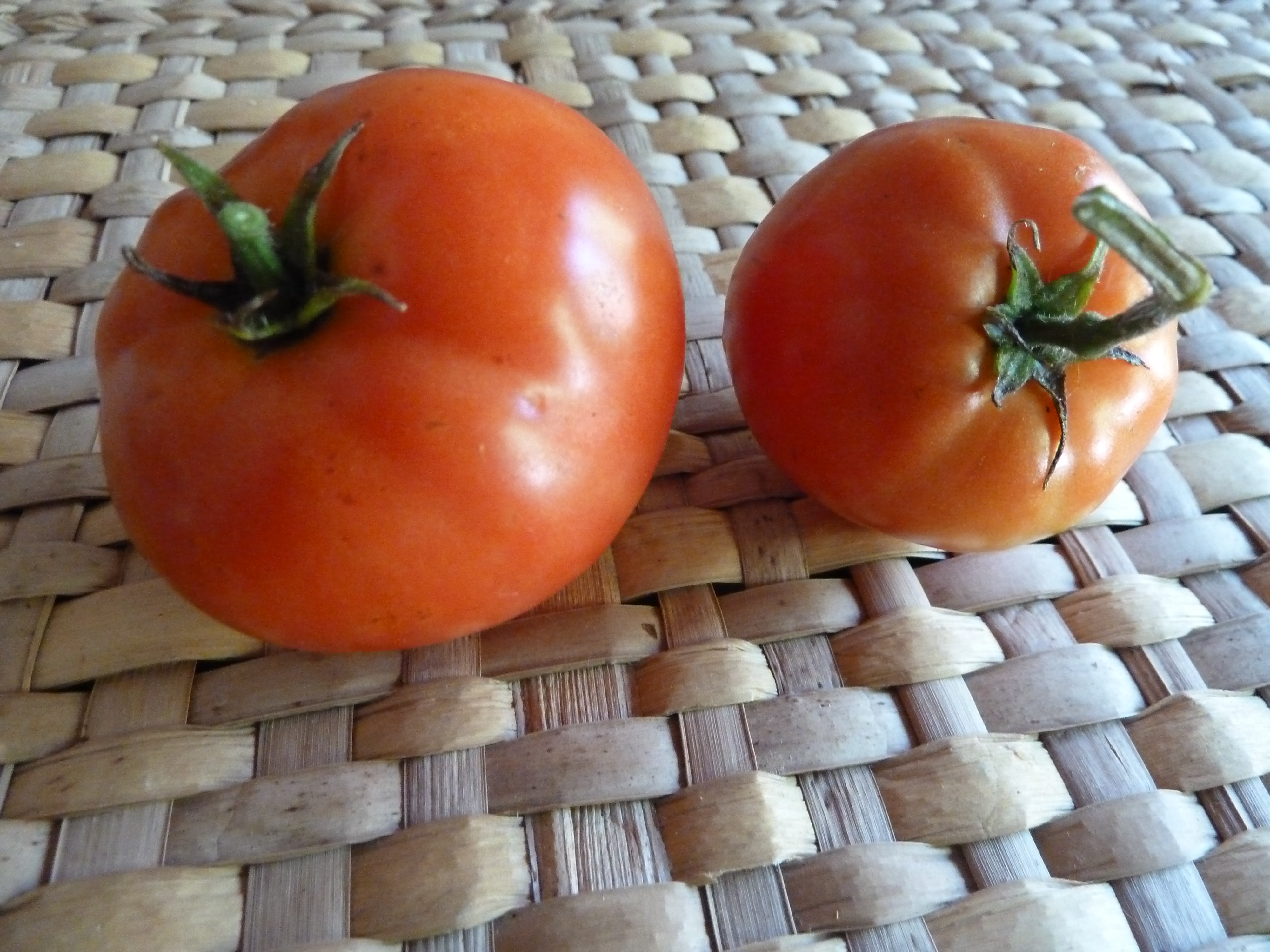
and, most recently, two beautiful ripening tomatoes from a discarded tomato plant.

P1020281

Non-edible finds include numerous petunias of various colors and sizes, and some other potted flowers as well. These are very popular in hanging baskets in this neighborhood. When you buy them they are a profusion of colorful blossoms, but they don’t stay that way if you don’t tend to them properly. So into the dump they go. And from there, to my back deck!

Recently someone has dumped a couple of shrubs that look like they came straight from the nursery. They still have the burlap around the roots. Huh? Why didn’t that person, and the tomato and basil discarders, too, think to offer their excess to someone else? To the food shelf, to neighbors, to someone. When you have too much, is it too much to think of others who don’t?

Posted in Uncategorized | Tagged , , | Leave a comment

Corn Pancakes

This week’s CSA basket consisted largely of corn on the cob and tomatoes.

P1020240

I could have made a nice, tomato-y vegetable soup (there were also a few carrots, green peppers, and some kale in the basket), but I already have a couple of batches of that in the freezer and wanted to try something new. An Internet search brought me to this Martha Stewart recipe for corn pancakes — definitely a new idea to me. So I decided to try it, with some slight variation. It came out pretty good — crispy, sweet corn kernels held together with an eggy batter. I served it with a tomato and cucumber salad and applesauce made from our neighborhood apple tree. I’ll definitely be making this recipe again. Here is my version:

1 egg, beaten

1/3 milk

1/4 c whole wheat flour

1/4 c white flour

3/4 t salt

1/8 t nutmeg

2 cups corn kernels

Combine the egg and milk, then mix in the flour, salt, and nutmeg. Stir in the corn kernels. Cook on a hot griddle until golden on both sides.

Posted in food from the garden, recipes | Leave a comment

More Adventures With Crabapples

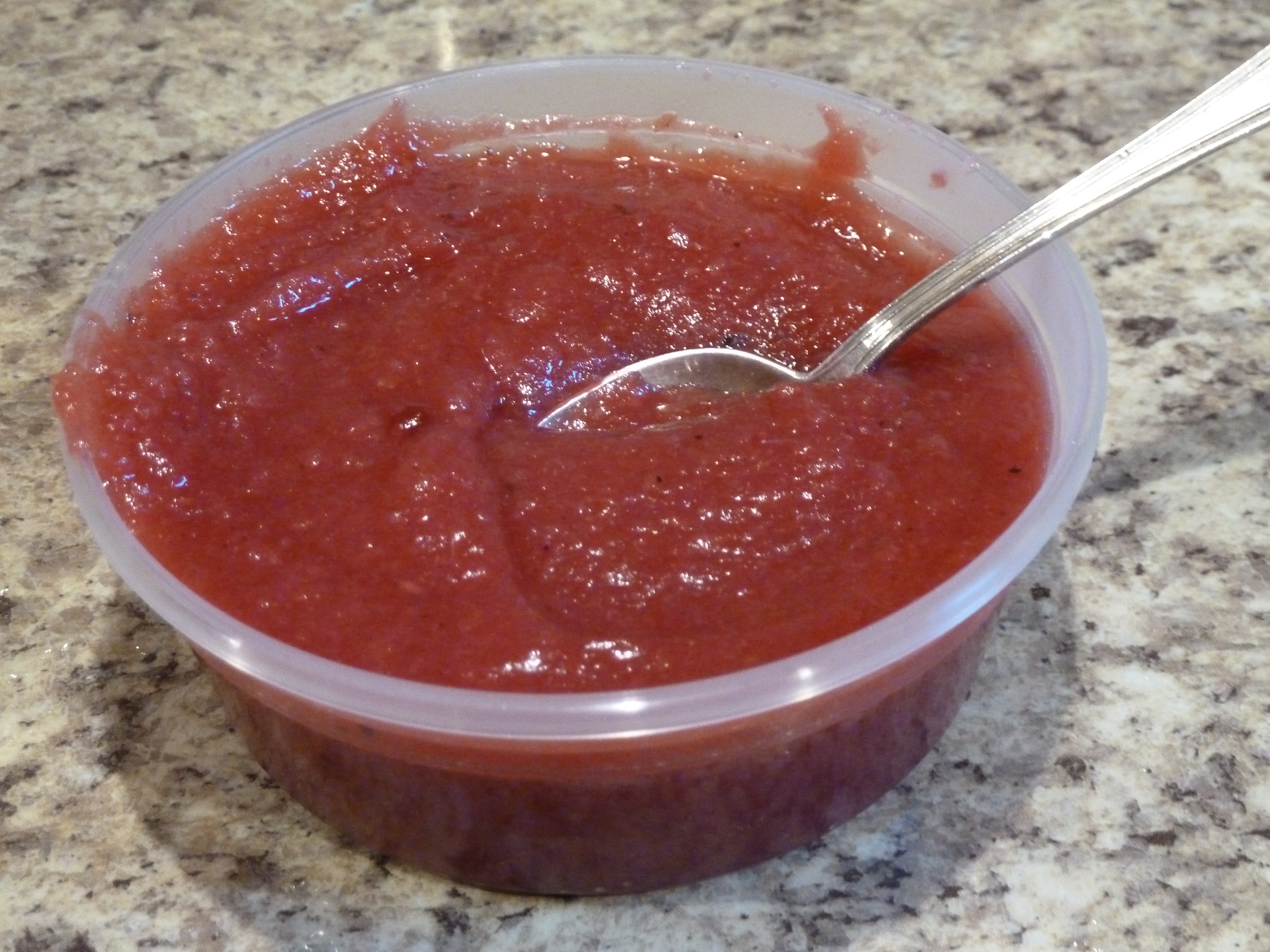
This week’s crabapple experiment: crabapple sauce. It came out pretty good. It takes a bit more cooking time and water than regular applesauce, but otherwise the process is the same. Also, you’ll probably want to add more sugar to the sour crabapples than you would to regular applesauce.

The final product has a beautiful deep red color and a lovely sweet-tart taste.

P1020185

Just like regular applesauce, it freezes well. I now have five half pints in the freezer for future enjoyment.

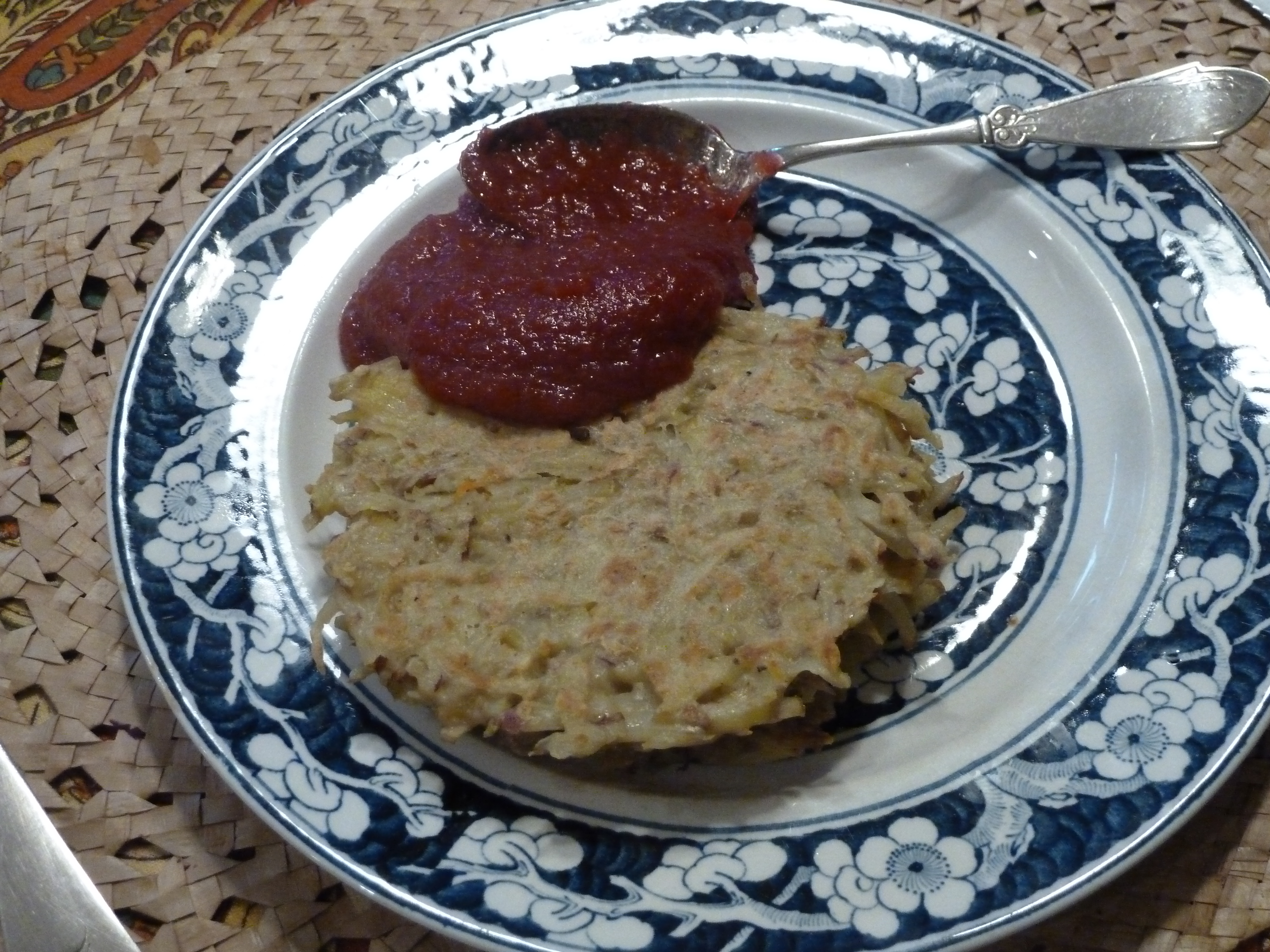
It tastes good with potato pancakes.

P1020239

mmmmm

Posted in fruits | Tagged | 2 Comments

Summer Vegetable Soup

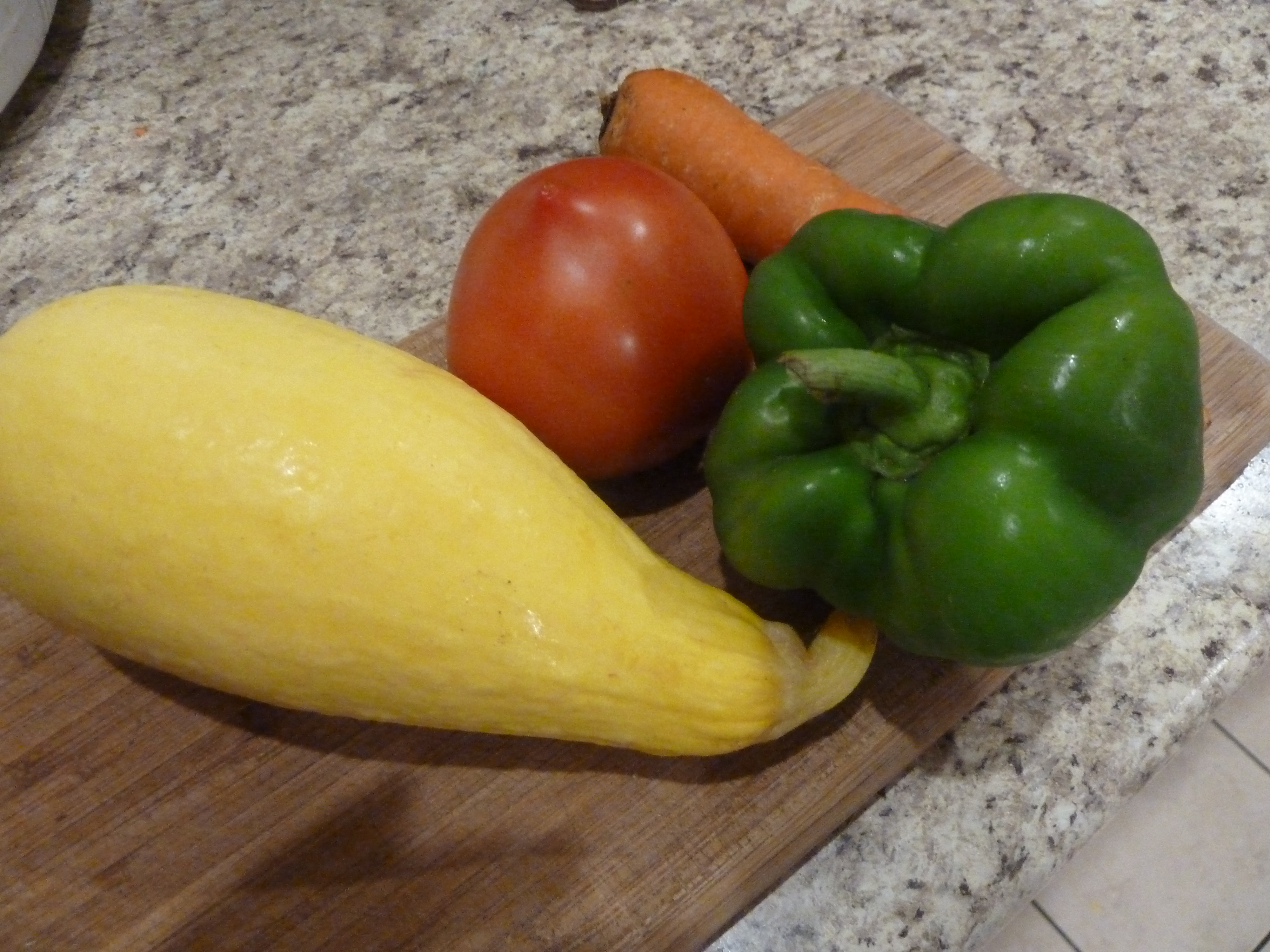
This is the soup for the throw-whatever-you-have-on-hand-into-the-pot cook (like me). You can pretty much use whatever vegetables you have around, and it’s a great way to enjoy the late August abundance of your garden or CSA basket. It’s turned out quite tasty every time I’ve made it.

P1020190

Here’s how I made it last night. Suggestions for variations follow.

  • 1 onion, minced
  • 2 cloves garlic, minced
  • 1 green pepper, diced
  • 1 yellow squash, diced
  • 1 carrot, diced
  • kernels cut from 2 ears of corn
  • 3 medium tomatoes, diced
  • a small handful of pasta (I used spinach spaghetti, broken into smaller pieces)
  • 1 T each chopped fresh basil and oregano
  • 4 cups vegetable broth
  • 3-4 cups water
  • salt

I sautéed the onions and garlic, then added all the other ingredients, brought it to a boil and let it simmer about 25 minutes.

P1020187

Variations: Half a cup of wine adds a nice taste to the soup. You can use zucchini instead of or in addition to the yellow squash. Green beans make a nice addition, too. Other ideas: celery, spinach, swiss chard, kale. Also, you could use chicken or beef broth instead of vegetable. This soup freezes well.

Local analysis: All ingredients from the CSA or my garden! (Whoops, except the salt.)

Posted in food from the garden, recipes | Tagged , , , | 3 Comments

Adventures with Crabapples

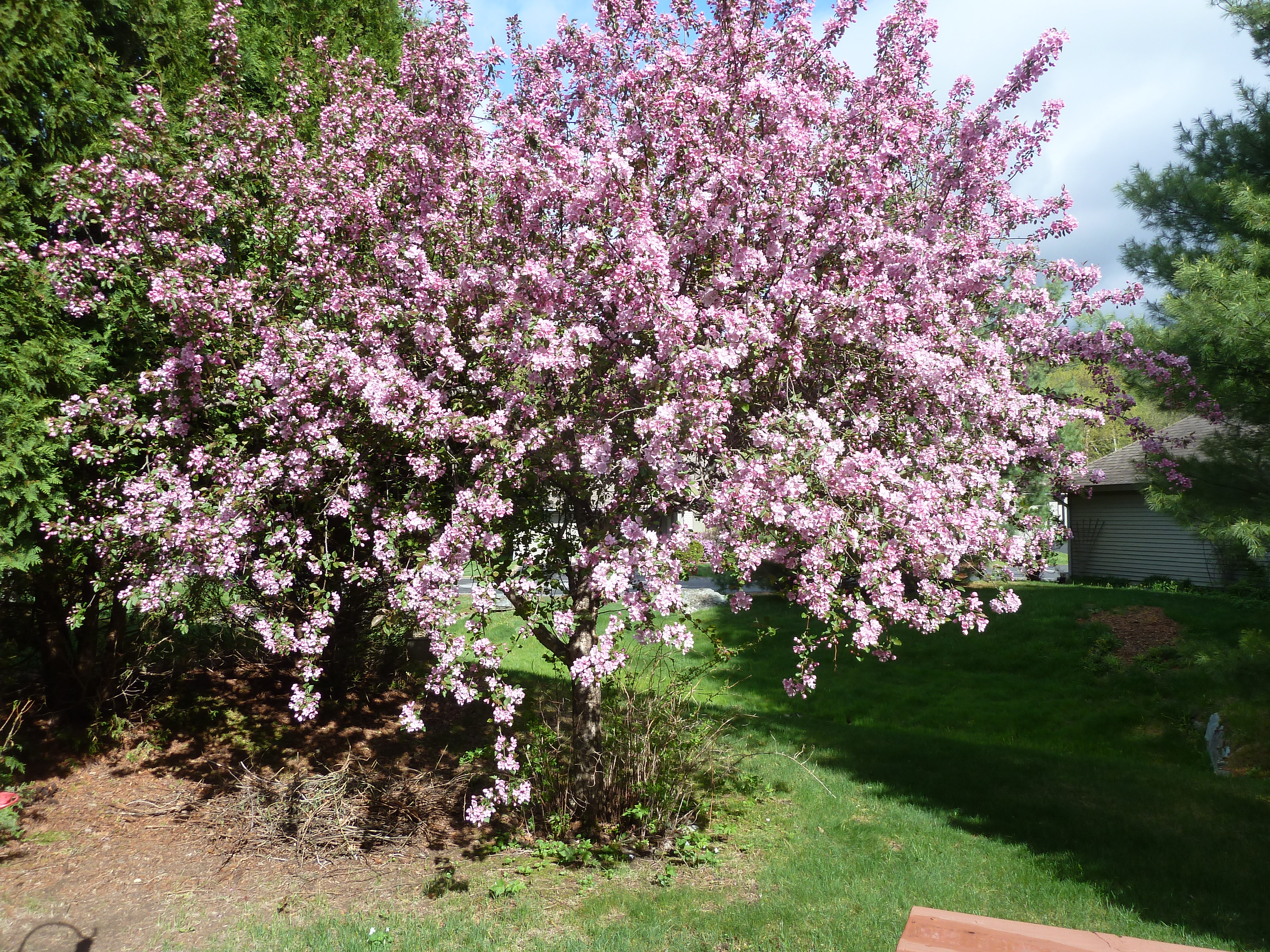
Every spring, the crabapple trees that line the streets of this neighborhood burst into spectacular pink and white bloom. This is how the tree behind our house looked last May.

P1020026

It turns out the trees have other uses aside from the landscaping purpose for which they were intended. After the blossoms have passed and the fruit starts to ripen, the trees become a sort of natural wildlife feeder, providing us with a wildlife show on our back deck. They provide food for us humans, too —  a sort of accidental edible landscaping.

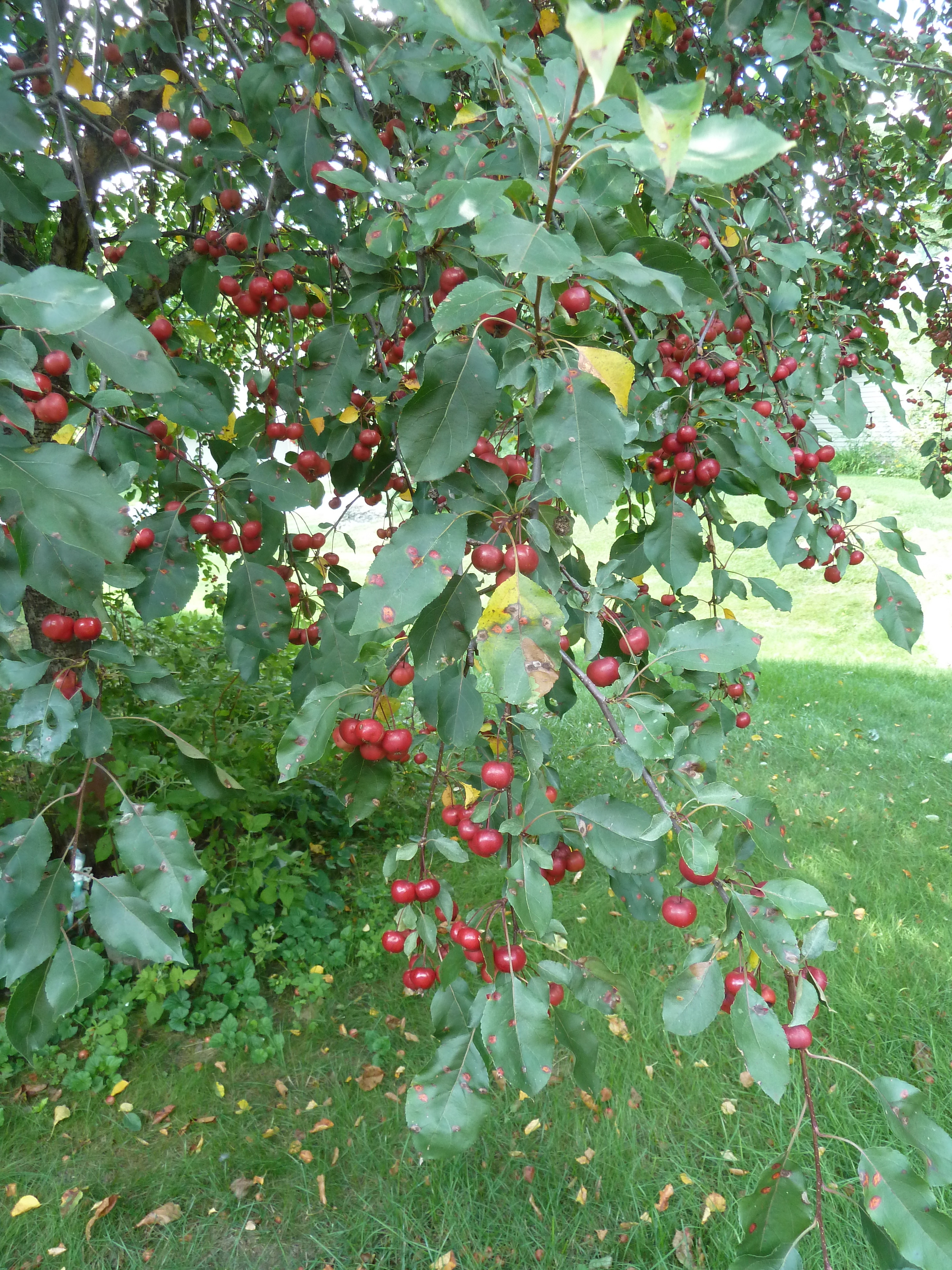
This is how the tree behind our house looks now.

P1020168

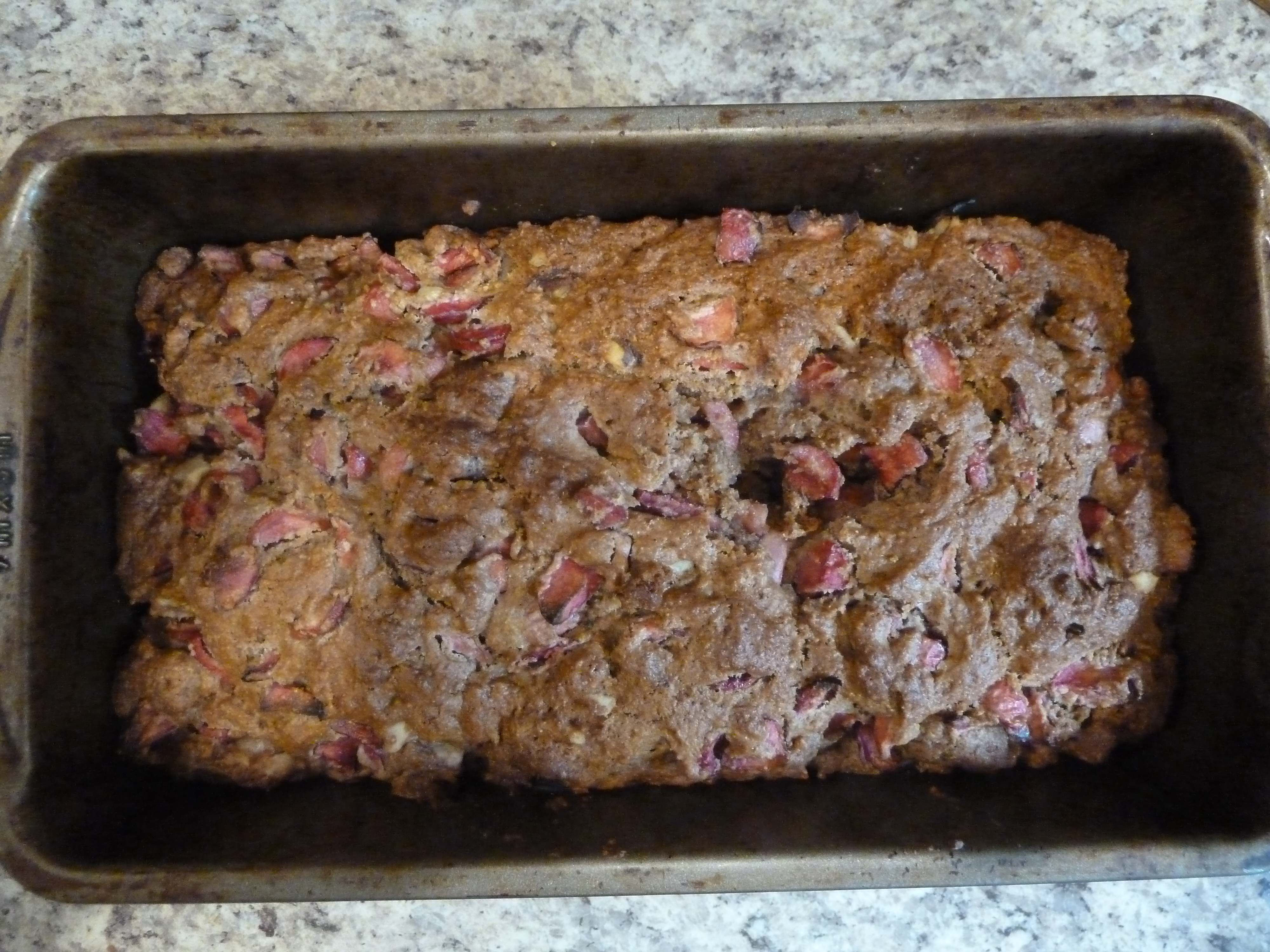
While the fruit was ripening all summer, I was planning and researching ways to eat it.  Now that it’s ready for picking, I conducted my first crabapple experiment yesterday — crabapple bread.  Here’s the recipe.

Crabapple Bread

6 T butter

3/4 c brown sugar

2 eggs, beaten

1/3 c milk

1 c whole wheat flour

1 c white all purpose flour

1 t baking soda

1/4 t baking powder

1/4 t cinnamon

1/2 salt

2 c cored and chopped crabapples

1/2 c chopped walnuts

Cream the butter and sugar, then beat in the eggs and milk. Mix together the dry ingredients. Combine the dry ingredients with the wet, then fold in the crabapples and walnuts. Bake in a greased loaf pan at 350 for 50-60 minutes.

I found the easiest way to core this small fruit was just to cut around the center of it as I chopped. You need to do this because you don’t want the seeds in your bread.

P1020177

It came out quite tasty, if a bit crumbly. I think I might try chopping the fruit a bit smaller next time. On the agenda for future experiments: crabapple sauce and crabapple butter. Please share any ideas you have for cooking with this tasty fruit.

Posted in fruits | Tagged , , , | 2 Comments

Sharecropping

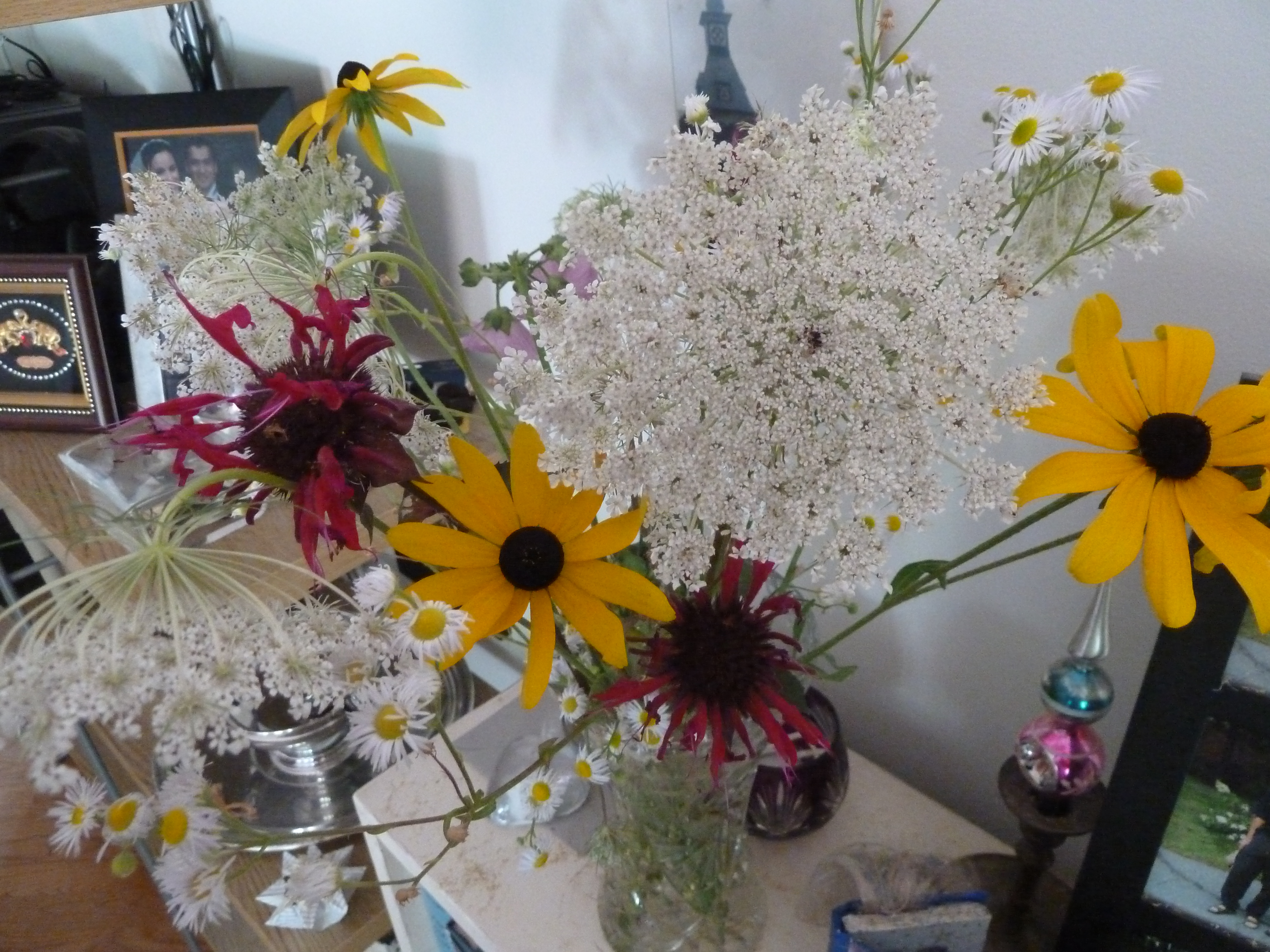
This afternoon I went for a walk to pick wildflowers. P1020148

On my way home, flowers in hand, I was stopped by a neighbor as she was pulling out of her driveway. “Do you like hydrangeas?” she asked. When I replied that I did, she suggested I pick some from the bush outside her bedroom window, where they were growing abundantly. Then she added, as an afterthought, that if I wouldn’t mind picking a few for her also and leaving them by her front door since an injury made it hard for her to   get back there, she would greatly appreciate it.

P1020145

So we each ended up with a nice bouquet of hydrangeas. Quite a different experience from my encounter with the berry lady.

Posted in nonedibles | Tagged | 1 Comment

Who owns the berries?

In the neighborhood where I live, no individual resident owns any land. We own only our houses. The land around them, including the flowerbeds, open areas, and woods, belong to the homeowners association. The only outside thing a resident owns is the back deck and the front steps. The lawns are mowed, the trees trimmed, and the flowerbeds maintained by a service hired by the HOA.

This afternoon while I was out picking wild berries on HOA land (in a wild area bordering a stream that runs behind some houses), a neighbor stepped out to her deck and said,”Leave some for me.” I can see why she felt some ownership over the berries. The area where I was picking them was separated from her deck by just a narrow strip of mowed lawn, so they did seem to be in her backyard. Except we don’t really have yards in this neighborhood. It’s all HOA-owned land. She suggested I go pick by the tennis court.  “That’s where Mary (another neighbor, not her real name) picks.” So I can pick where one neighbor picks but not where this one does? I did offer to continue my day’s berry picking at another patch I had discovered a little further upstream. “Yes, you go pick there,” she enthusiastically agreed. I also offered to not come picking in “her” patch everyday, as I had been. Her “Whatever” reply implied that I was not supposed to pick there at all, ever.

I continued upstream to pick in the other patch. Is this “my” patch now, I wondered.  Can I kick out anyone else who tries to pick here? Or is this the place where the neighbor will send the next person who comes picking in “her” patch, as she tried to send me to pick in “Mary’s” patch?

Despite this neighborly encounter, I was able to bring home a decent haul:

P1020083

I suppose if there were a berry patch right outside my backdoor, I would not be happy to see other neighbors picking there. But I don’t think I would dare tell them to go away. I certainly couldn’t order them off my land, since it isn’t even mine.

Posted in fruits, wild foods | Tagged | 3 Comments