Wild Mustard Flower Buds

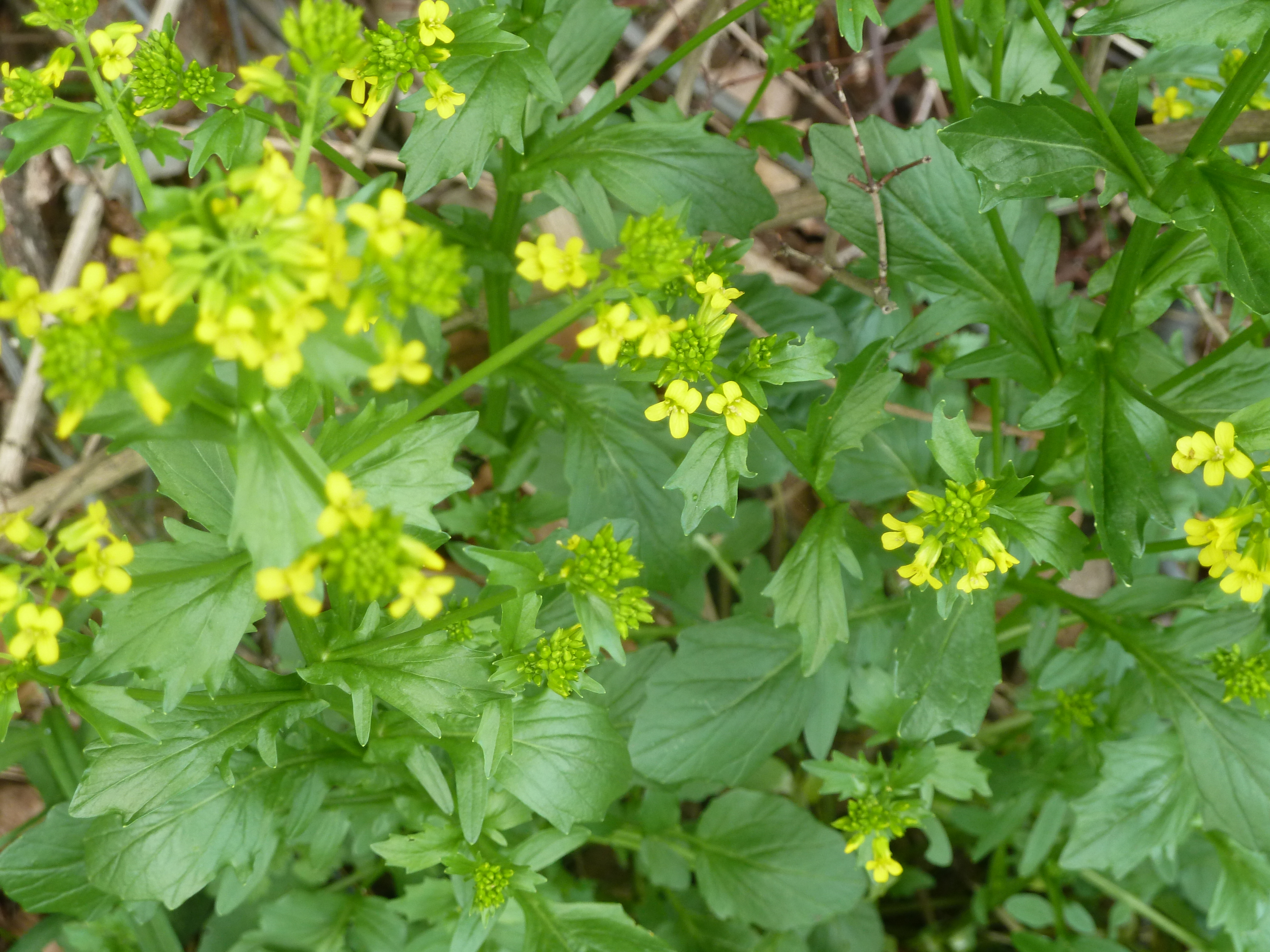
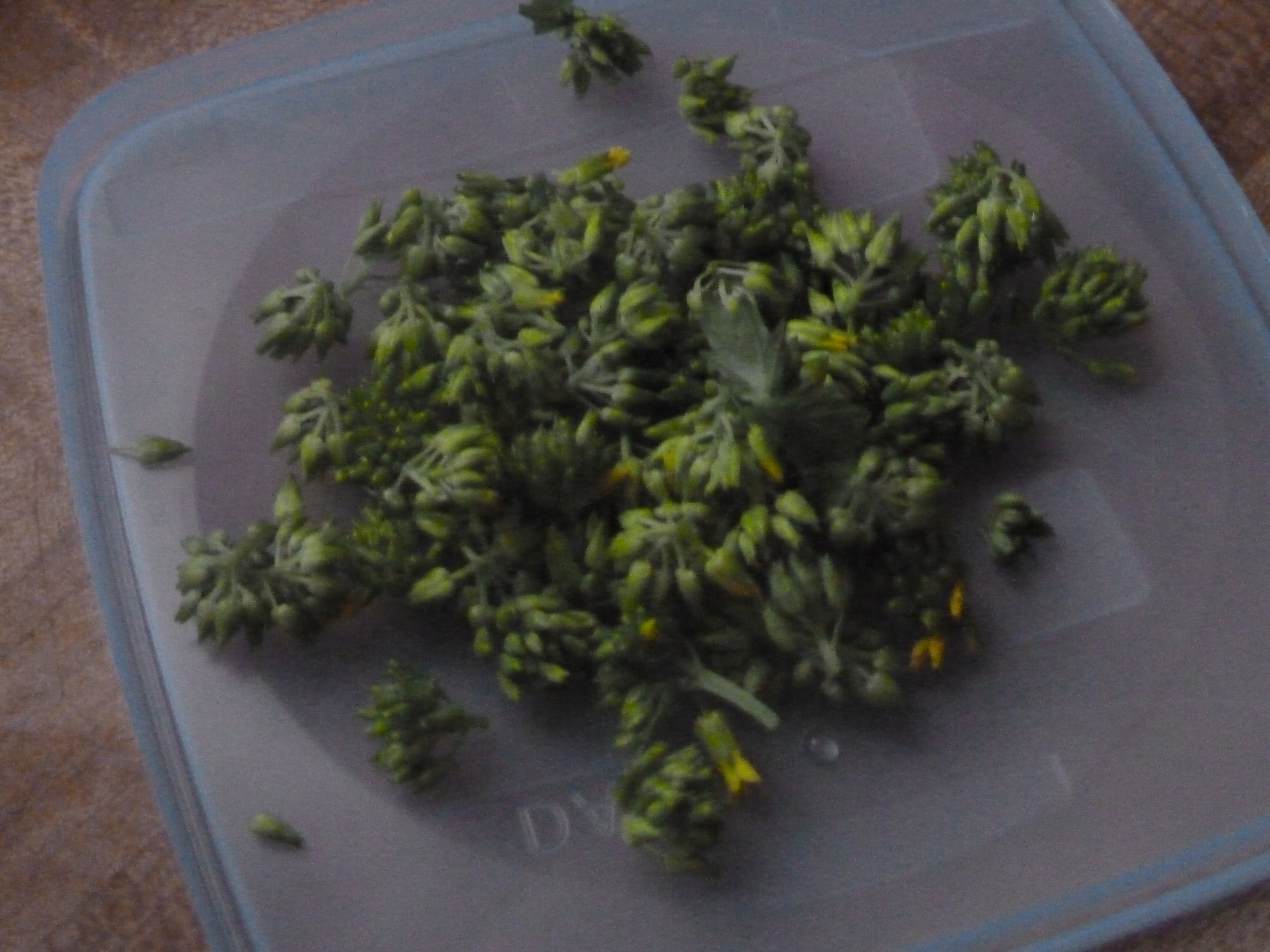
I’ve been eating the buds of the mustard plants that grow wild around here.

P1010602

When I have enough of them, I like to fry them up in a pan with a little olive oil and garlic. It’s kind of like eating teeny tiny spicy broccoli (which is in the mustard family).

P1010601

Since the buds are so teeny tiny, it isn’t always easy to get more than a handful unless you have a lot of patience. But a small amount can add a nice spiciness to a pot of cooked rice or a salad.

P1010606

Posted in wild foods | Tagged , | 3 Comments

Eating Radishes

I’ve been harvesting radishes from the garden this week. I planted two kinds – cherry belle and French breakfast, a small spicy radish.

P1010578

Mostly I just eat them as a snack right out of the ground, but sometimes I slice them up and make a sandwich with butter or cheese.

P1010585

Radishes are also delicious in a sauté. Here’s what I had for dinner the other night:

Radish Sauté with Greens

In a small amount of olive oil, sauté 2 minced garlic cloves, one small chopped onion, ¼ teaspoon each ginger and turmeric, until the vegetables are tender. Add 1 ½ to 2 cups thinly sliced radishes. Cook for about 5 minutes, until tender. Add the leaves of the radishes – you can tear or slice them first – and cook for just a minute or two, until wilted. Serve with brown rice.

P1010587

I didn’t used to like radishes. I thought they tasted like dirt. But then I saw the light and realized that they actually taste like radishes – deliciously spicy and crisp. And they are nutritious as well as delicious. Radishes are high in vitamin C and are also a good source of B vitamins and minerals such as zinc and copper.


Posted in food from the garden | Tagged , , | 1 Comment

My Rhubarb Patch

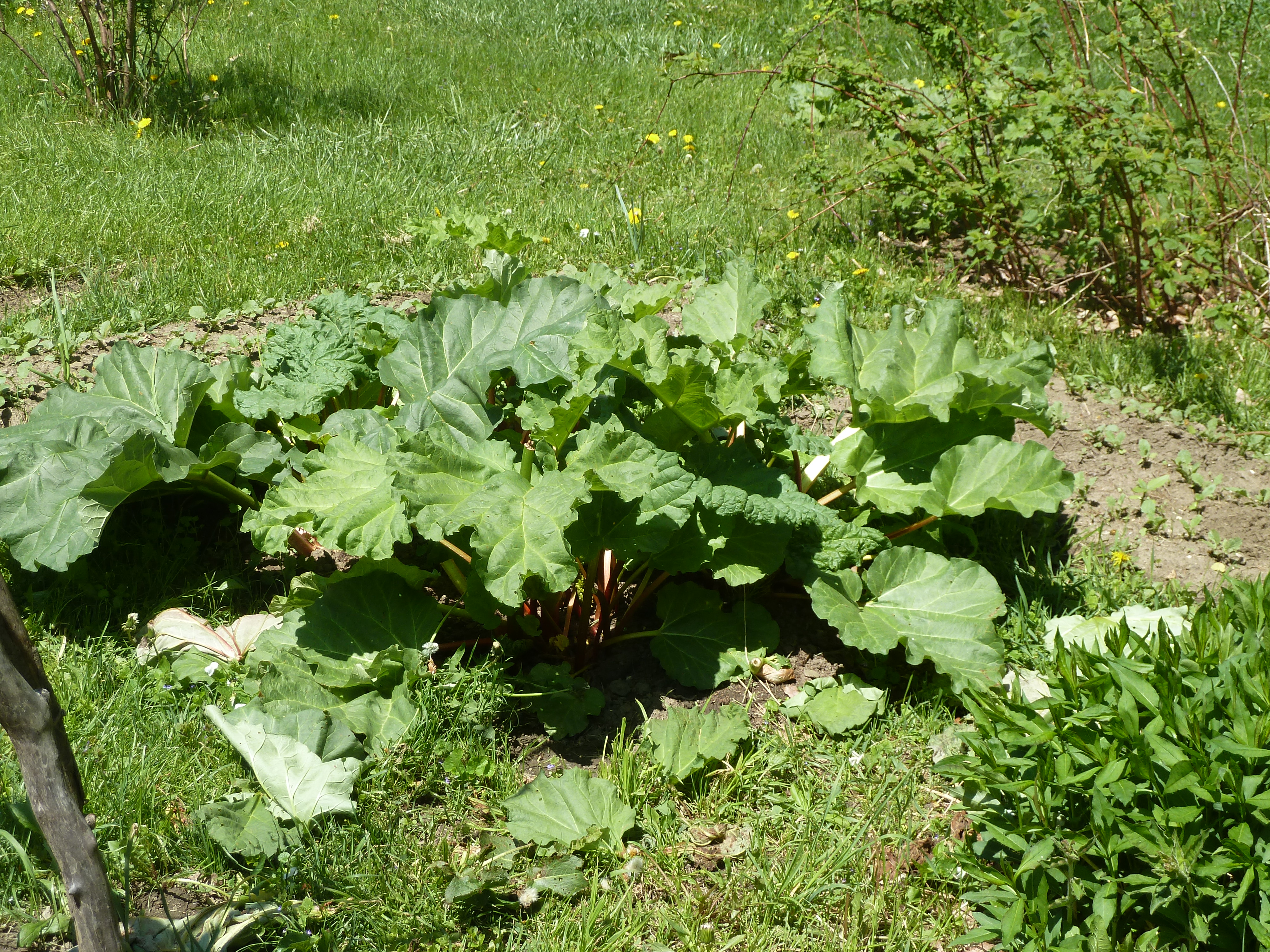
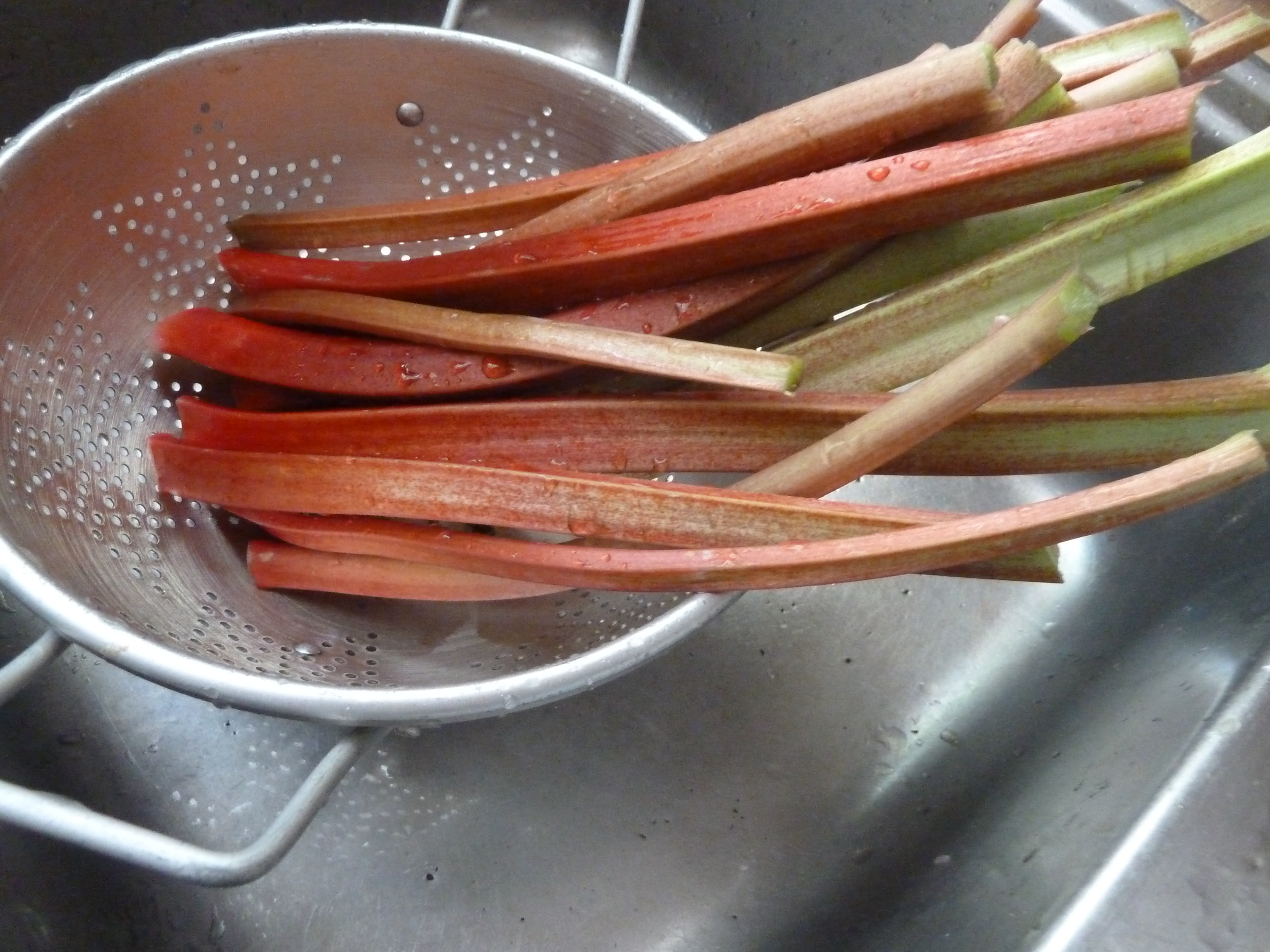
I had always wanted a rhubarb patch of my own. A few years ago I finally got one. I moved into a house with lots of garden space, and several kindly friends who were thinning out their rhubarb patches donated some plants to the cause.

During that first season, I left the plants alone to acclimate themselves to their new home while I eagerly and somewhat impatiently dreamt of the jam, pies, and crisps to come as soon as the following spring arrived.

Alas, all my meager patch was willing to provide for me that next spring was a few paltry stalks. The following year I was able to get enough for a batch of rhubarb ginger jam, but I was beginning to wonder how those kindly friends had ever had so much rhubarb in their gardens that they actually had to thin it out.

P1010527

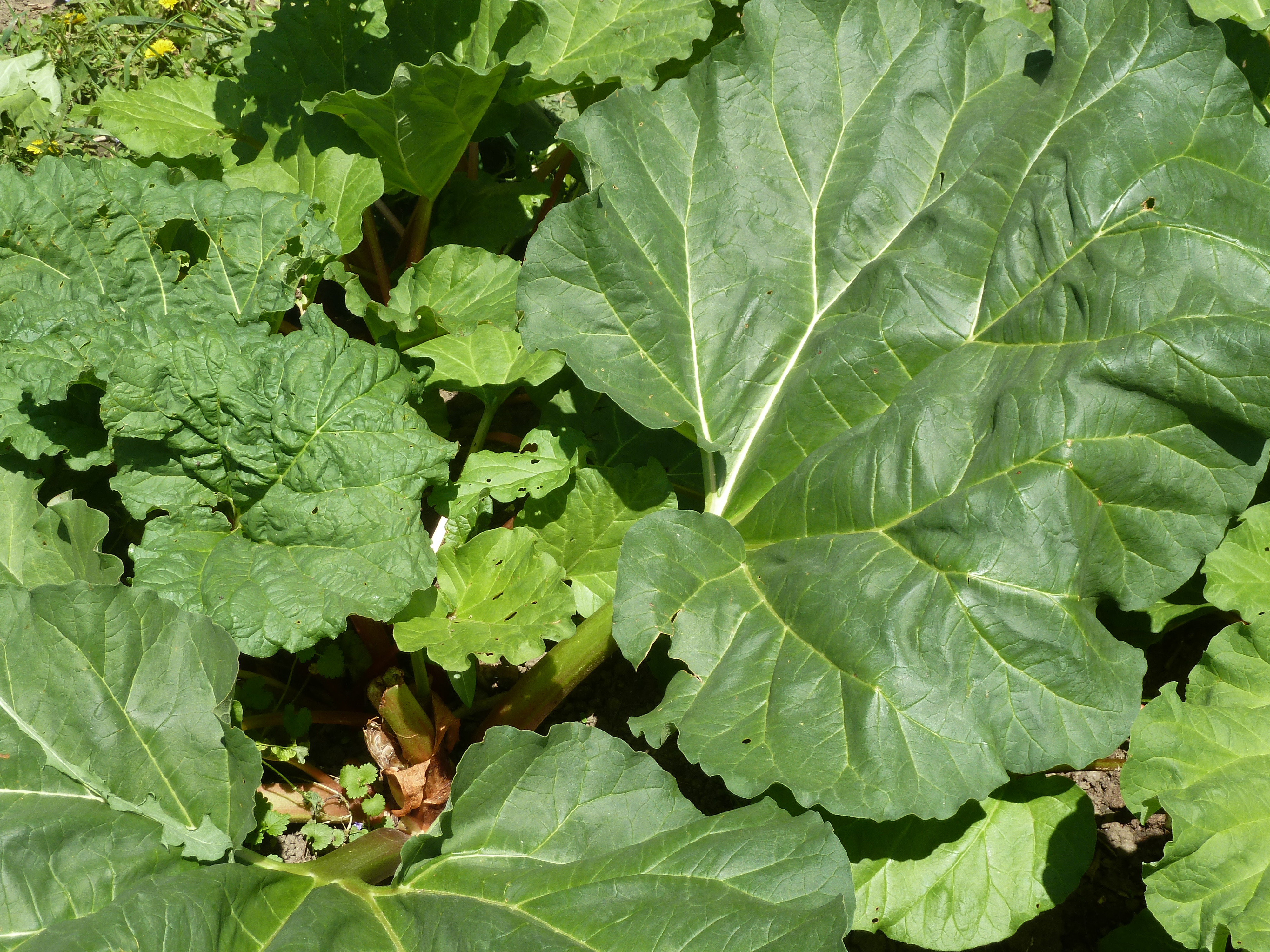
I guess that speaks to my lack of experience with rhubarb. By the third year, my rhubarb patch had gone into a producing frenzy that hasn’t let up since. So I finally have my rhubarb patch and as much rhubarb as I could ever want. But not too much. You can never have too much rhubarb. There are so many ways to eat it, but my favorite is stewed rhubarb.

P1010531

In case you’ve never made stewed rhubarb, this is how I do it: After removing the leaves (important because they contain poisonous oxalic acid) and washing the stalks, slice the rhubarb into one-inch pieces and put it in a saucepan. For each two cups of rhubarb add two tablespoons of water and three tablespoons of brown sugar. (Adjust the sugar to suit your taste. I don’t like it too sweet.) Bring to a boil, then simmer over medium heat, stirring frequently, until tender, about five minutes.

P1010515

Stewed rhubarb is best served warm. I like it with yogurt. It’s also good added to a bowl of cold or hot cereal. And, of course, vanilla ice cream.

The great thing about rhubarb is that it is easy to freeze, so you can enjoy it all winter. Just wash and slice, put in a plastic freezer box or freezer bag, and freeze. Now you’ve got the material to make stewed rhubarb whenever you like, or rhubarb crisp, rhubarb bread, rhubarb cake, or anything else that suits your fancy. Recipes coming soon!

Posted in food from the garden | Tagged , | Leave a comment

Friendly Neighbors

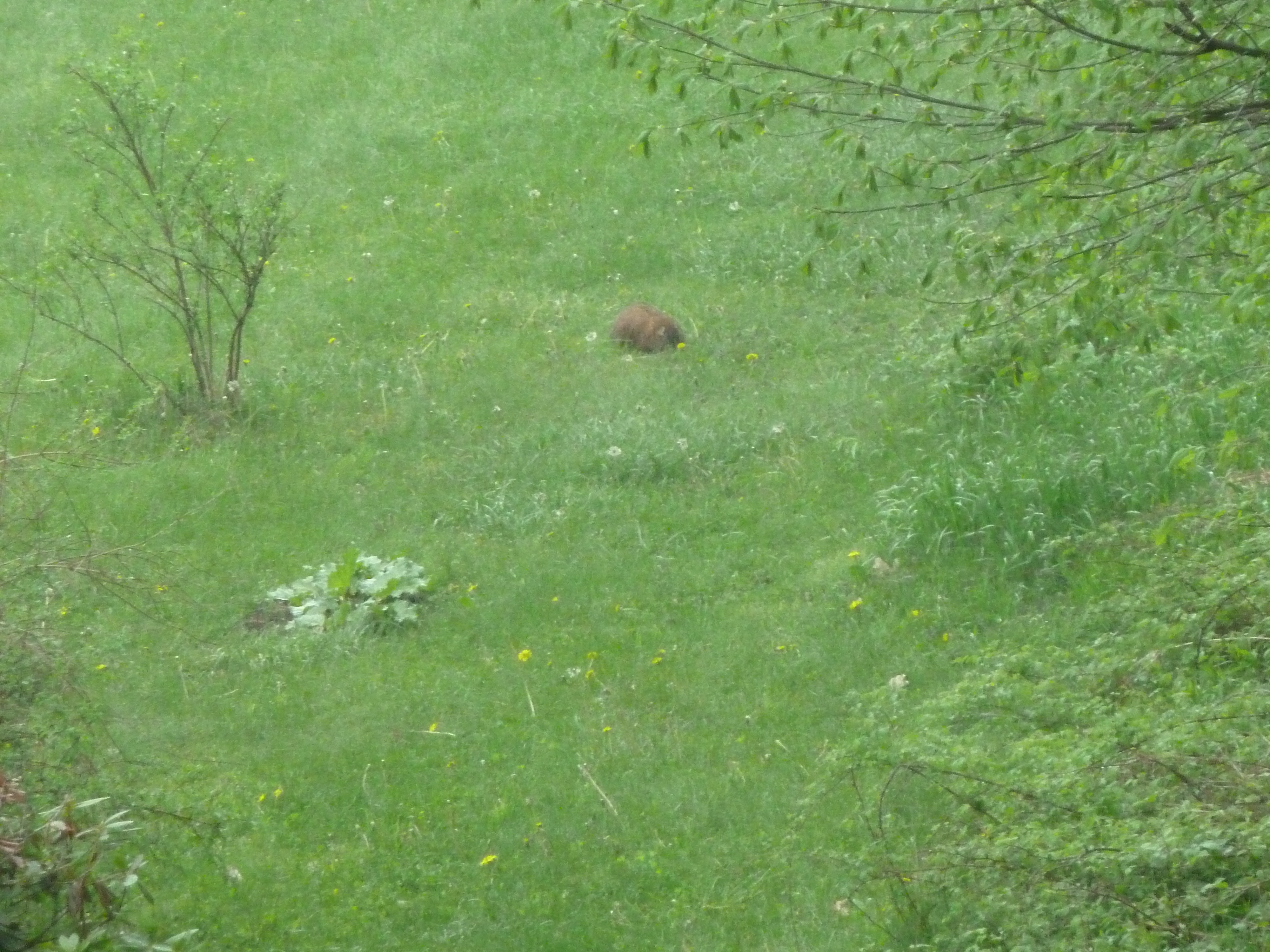
Here’s somebody else who finds my backyard edible:

P1010540


P1010538

Arrrrrgh!!!!


Posted in nonedibles | Tagged , | Leave a comment

Garlic Mustard

May is the month when the woods and roadsides of North America are covered with the flowers of the invasive garlic mustard plant. Probably the right attitude to take towards it is to pull it out by its roots every chance you get. But once you have done that, you might as well try eating it. One reason Europeans ever brought it to this continent in the first place was as a food plant.

P1010517

All parts of the plant are edible, if you like the taste. I’ve tasted pesto made of the leaves and didn’t like it enough to try making it myself. It was garlicky but had an unpleasantly bitter aftertaste. But I had heard that the flower stalks have a milder flavor than the leaves, so I decided to give them a try.

P1010519

I picked them while the flowers were still in bud and removed the buds and leaves. I cooked them in a small amount of water for about five minutes, then ate them with butter and salt. The came out tender like asparagus and the flavor was, in fact, milder than the pesto I had previously tasted. But there was still that bitter aftertaste.

P1010523

I haven’t given up on garlic mustard yet. There are many more ways to eat it, so watch this space for future experiments.

Posted in wild foods | Tagged , | Leave a comment

A Secret Revealed

P1010506

Ramps (aka wild leeks) are a big deal around here. Everyone praises them and eats them enthusiastically when ramp season arrives. So of course I had a great curiosity to try this popular delicacy, but not knowing where to look for them, I never had the chance to taste any.

Until recently.

Sometime last summer, I happened to mention my lack of ramp experience to a forester friend. And he happened to let slip that he knew a place very close by where they grew in abundance.

Great, I said. Where is it? That’s when he got somewhat cagey.

It could be that as a responsible guardian of the forest, he is wary of doing anything that might result in hoards descending upon a delicate forest area, damaging the local plant life, and over harvesting the ramp crop. Or maybe he just wants to keep the ramps all to himself.

In any case, I soon figured out that the gift of a bottle of homemade blackberry cordial was sufficient motivation for him to agree to take me to this special location the next time ramp season came around.

All through the dreary autumn and winter months I waited, but spring finally came again and with it, at last, the chance to see some ramps. One sunny afternoon, my accomplice and I met the forester at the appointed starting place. First, we had to swear on a stack of nature guides that we would not under any circumstances reveal the location of this special site to anyone. And then we set off.

As we rounded a bend, our eyes were met with a wondrous sight indeed. There on a steep, wooded hillside mottled with sunshine was a green blanket of ramps tingeing the air with a faint garlicky oniony smell.

P1010504

The forester showed us how to dig just two or three bulbs from each clump, leaving the rooted ends behind. We gathered a small bunch and then headed for home.

As we left the area, we swallowed some special pills intended to erase all memory of the location from our minds. So, torture us as you might, we are completely unable to reveal the location of this sacred spot to anyone.

P1010511

We did, however, arrive home with the ramps intact. We spread out the leaves to dry for future use in seasoning soups and stews. The sliced bulbs and stems made a great addition to a spinach quiche. Someday I may be lucky enough stumble upon some ramps again. I know there are lots of ways to eat them, and I look forward to future culinary experiments.

Posted in wild foods | Tagged , | Leave a comment

Fun and Games with Dandelions

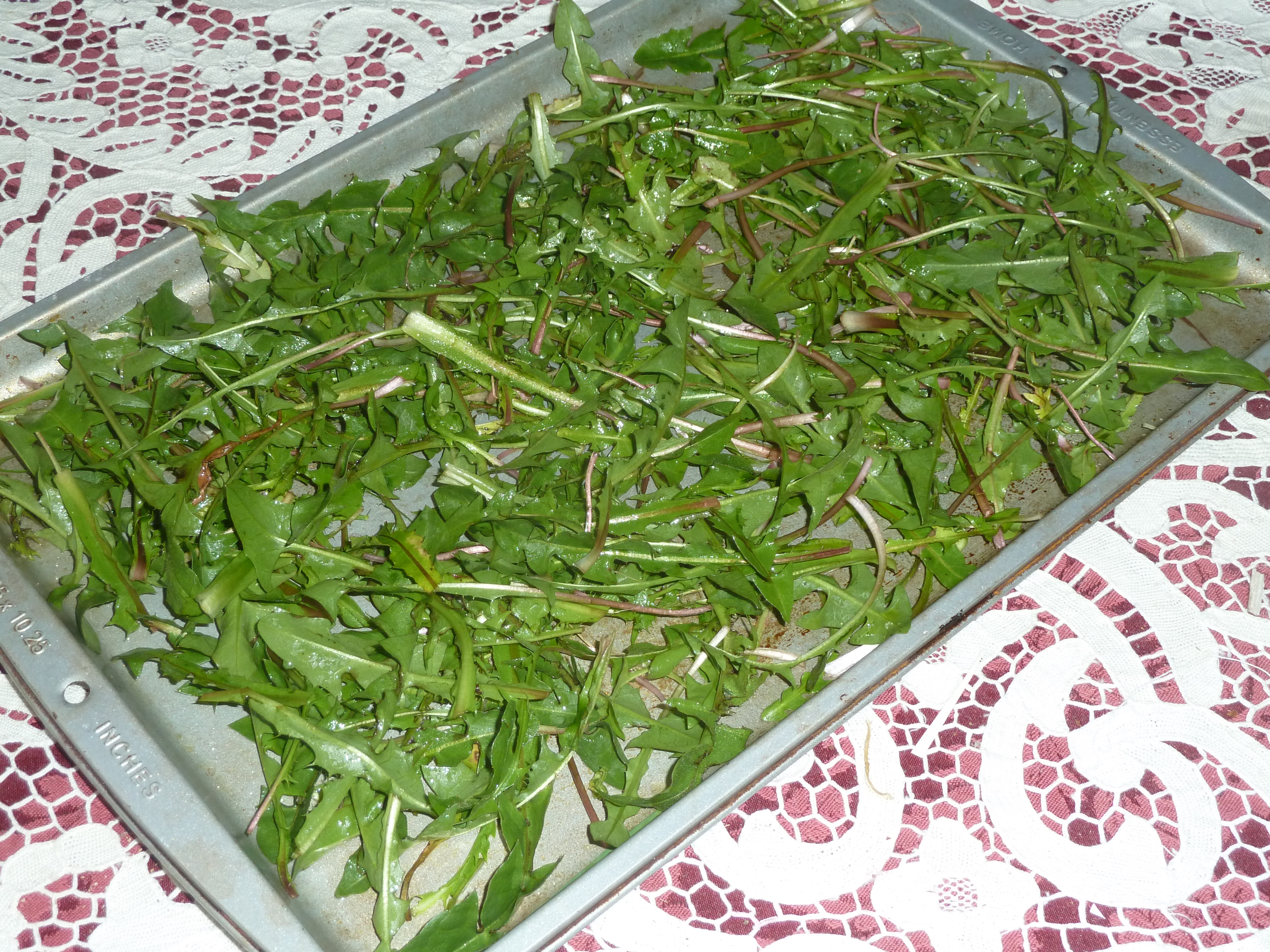
I came across this recipe for dandelion chips the other day – kind of like kale chips but made with dandelion greens. I like kale chips, so I decided to try it. I pretty much followed the instructions as given, except I ignored the part about spreading the leaves in a single layer. I just piled them all on the baking sheet.

P1010495

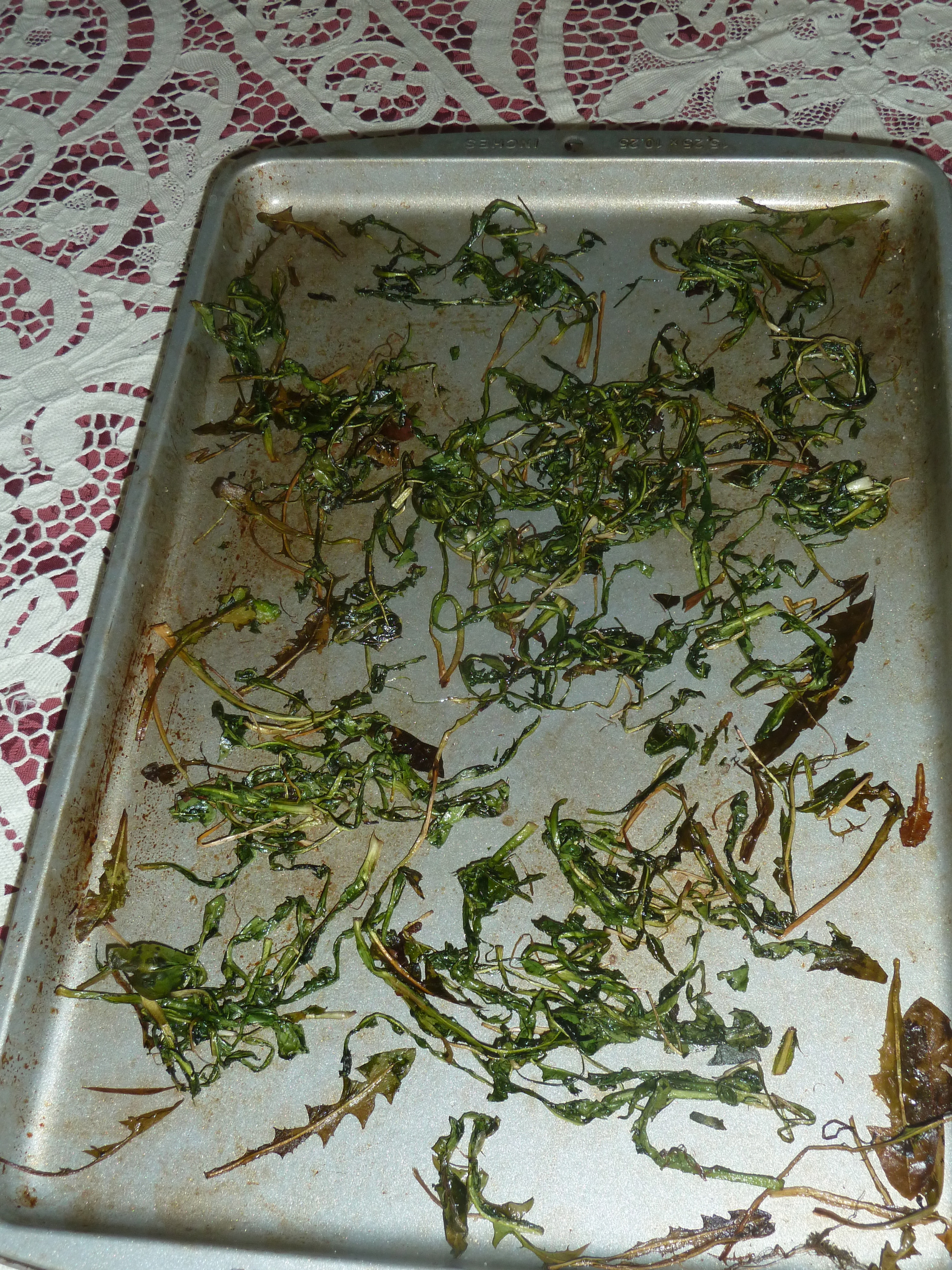
I drizzled the leaves with olive oil and sprinkled them with a little salt, then stuck them in a 350-degree oven until crisp. That took about 12 minutes.

P1010496

You can see that there’s quite a bit of shrinkage involved. Nevertheless, they turned out pretty good, slightly bitter, but I like that.

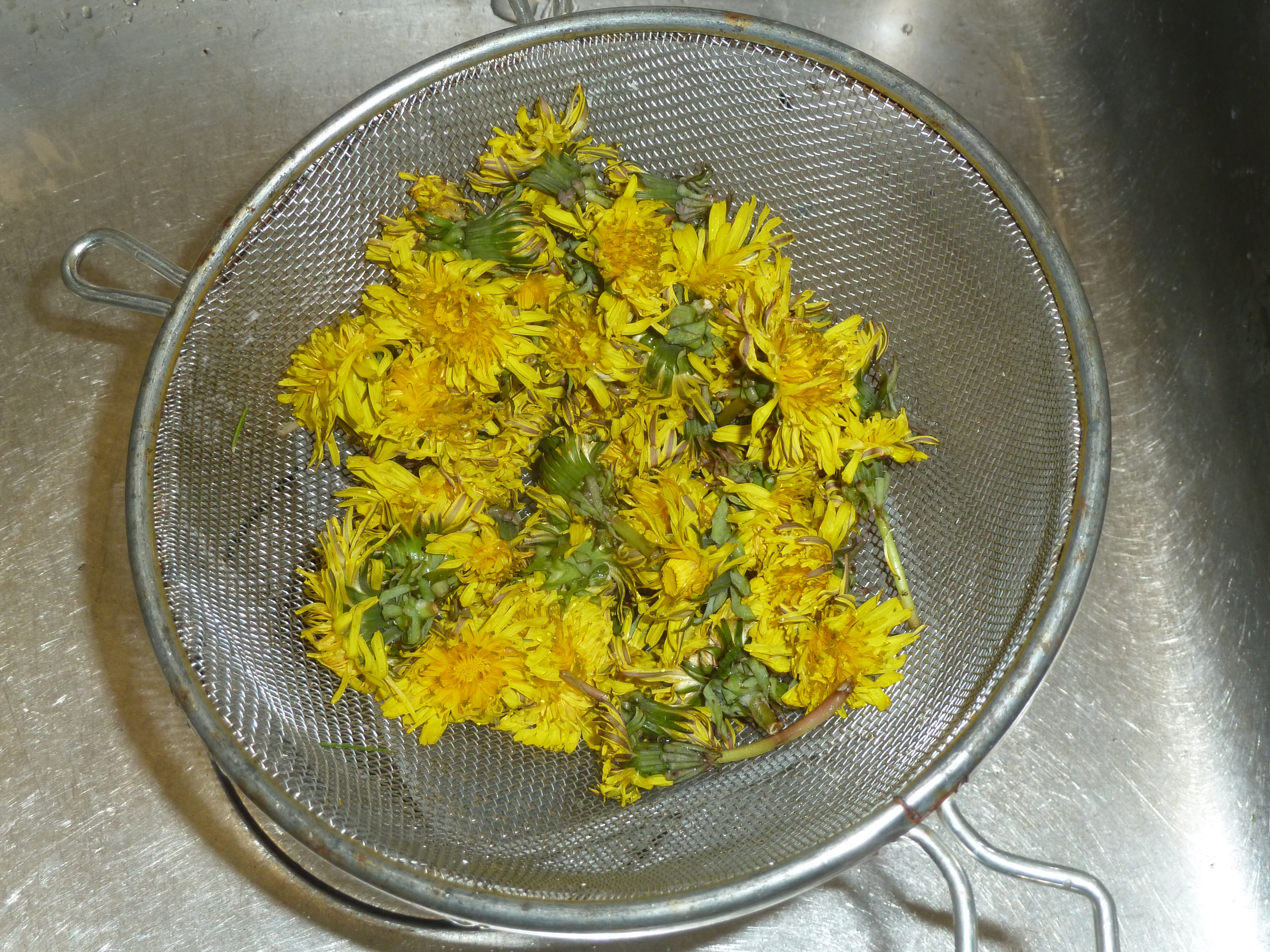
Then, I wanted to try something with dandelion flowers since the dandelions are blooming now. There are a lot of recipes around for dandelion bread and cookies and muffins, so I thought baking something would be a good idea. I decided on biscuits.

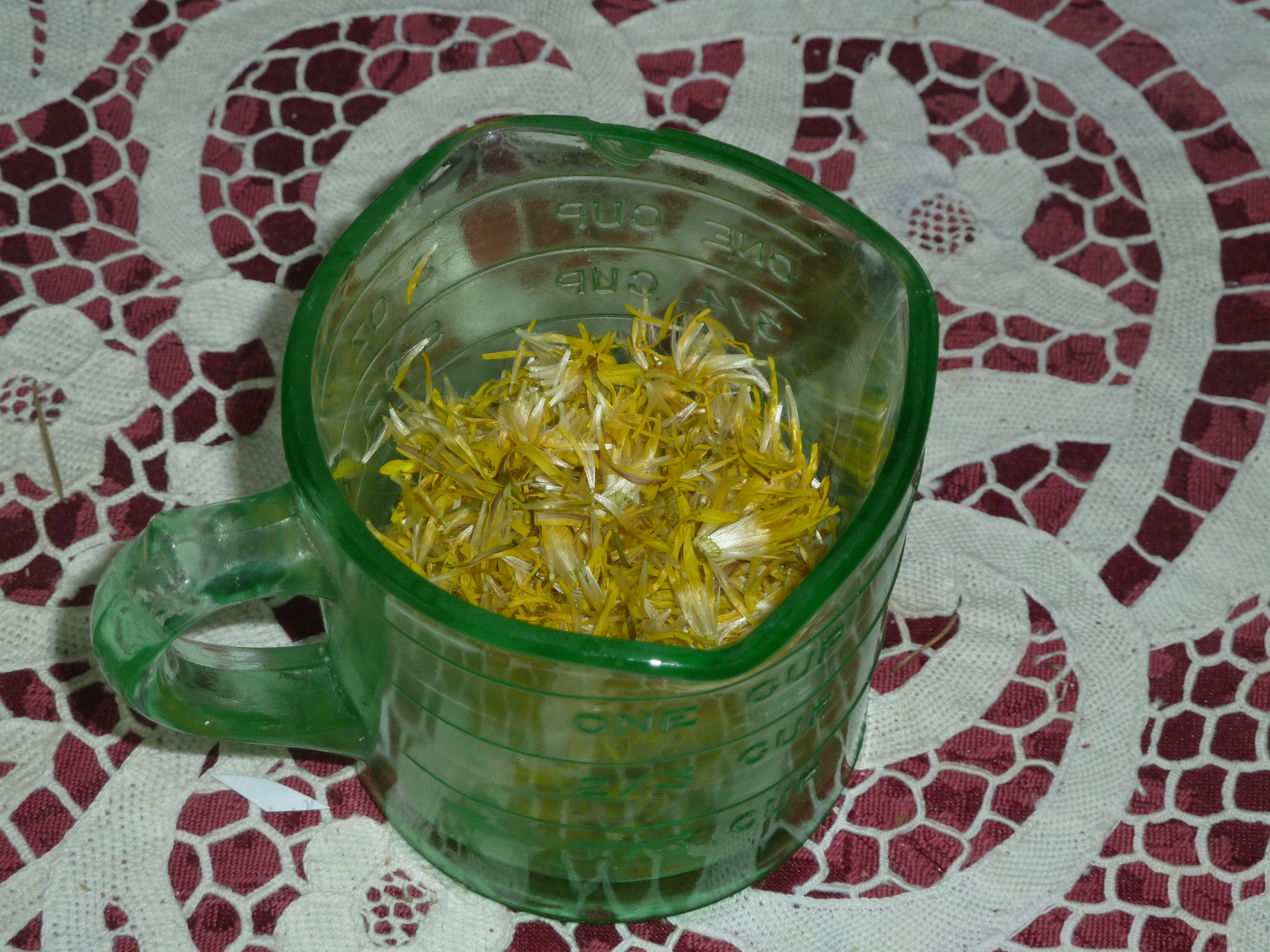
I collected a large handful of dandelion flowers and removed the yellow petals from the calyx.

P1010488

I added half a cup of the petals to a batch of biscuit dough, between the steps of cutting in the butter and adding the milk. I used a biscuit recipe from an old edition of the Joy of Cooking, but you can use any biscuit recipe you like if you want to try this.

P1010492

The dandelion biscuits came out looking like ordinary biscuits, and they pretty much tasted that way too, with perhaps just a faint reminiscence of a dandelion taste. An interesting experiment, but I think I’ll be looking for something more interesting to do with dandelion flowers. Baking doesn’t seem to bring out their best features.

Posted in wild foods | Tagged , , | 1 Comment

Violet Leaves

These violet leaves are young and tender. Just right for eating.

P1010477

Fortunately for me, they grow in abundance up close to my house where there isn’t any grass, so they’re really easy to pick. I like to sauté them.

P1010480

Rinse well.

Heat a little oil in a frying pan and sauté a chopped garlic clove. Add the freshly rinsed and still damp violet leaves. Sauté for just a couple of minutes, until wilted and tender. Add salt to taste.

P1010483

Violet leaves are good in a salad of mixed greens, too. They have a distinctive taste, faintly reminiscent of the fragrance of the blossoms, and are high in vitamins A and C. In Stalking the Healthful Herbs, Euell Gibbons warns that violet leaves may be slightly laxative, so you should start with small quantities until you know how they affect you. I find the taste of the sautéed leaves so rich, however, that a small quantity is usually plenty for me.

Posted in wild foods | Tagged , , | 1 Comment

Cleaning Out the Jam Cupboard

I found this cool old cookbook in my mother’s kitchen. I think she found it in her mother’s kitchen.

P1010457

I probably won’t want to try the recipe for jellied chicken, though the one for shredded wheat with malted milk looks intriguing. But mixed in among these quaint items are lots of recipes that look fun to try. I found one recently that I thought could help me with my jam problem.

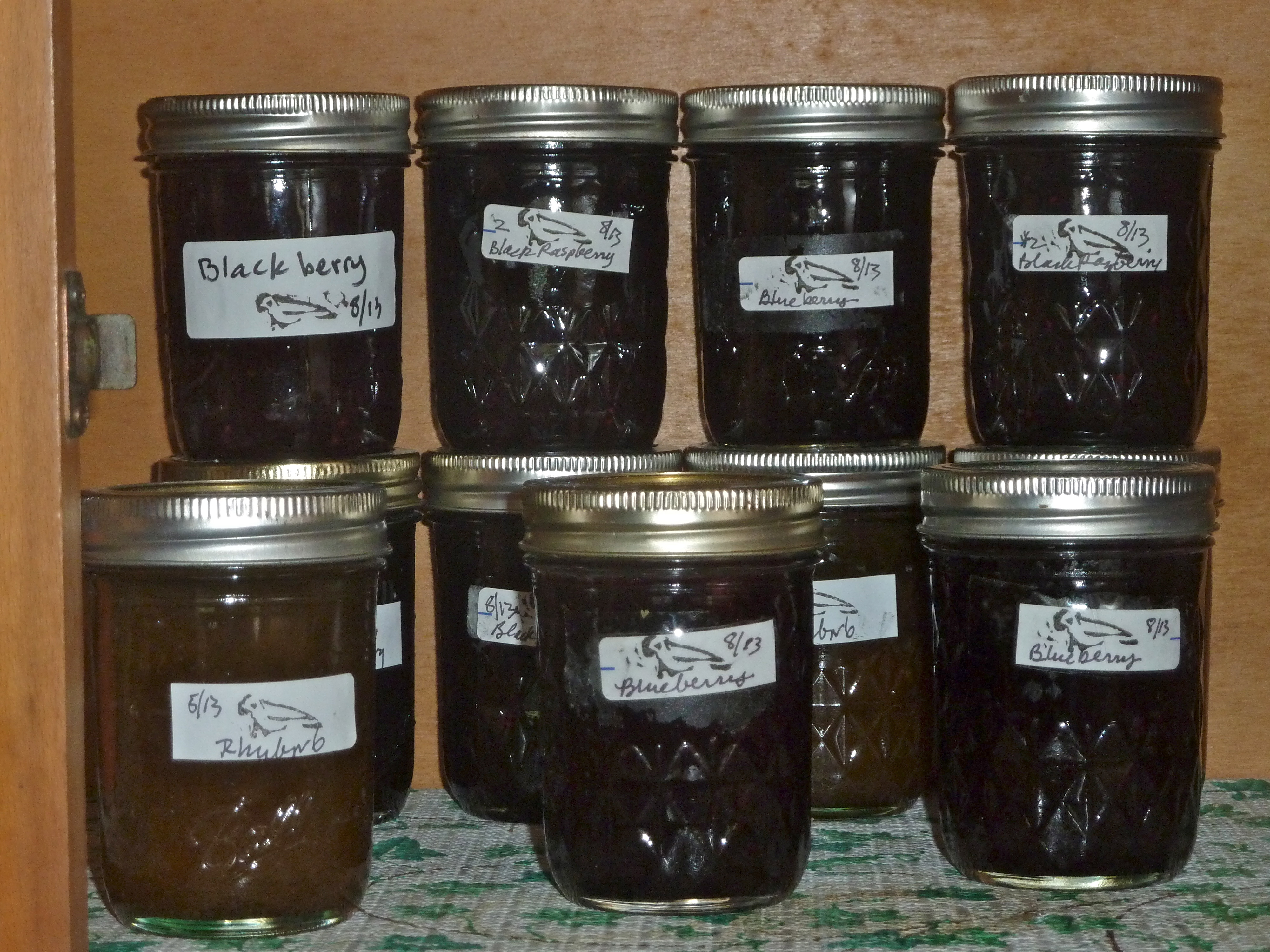
My jam problem:

P1010452

Jam making season is almost here, but I still have lots of last year’s jam in the cupboard. I don’t think I can eat that much toast in such a short time.

The recipe I found is for “Blackberry Cake” and features blackberry jam.

Well, I have lots of that on hand.

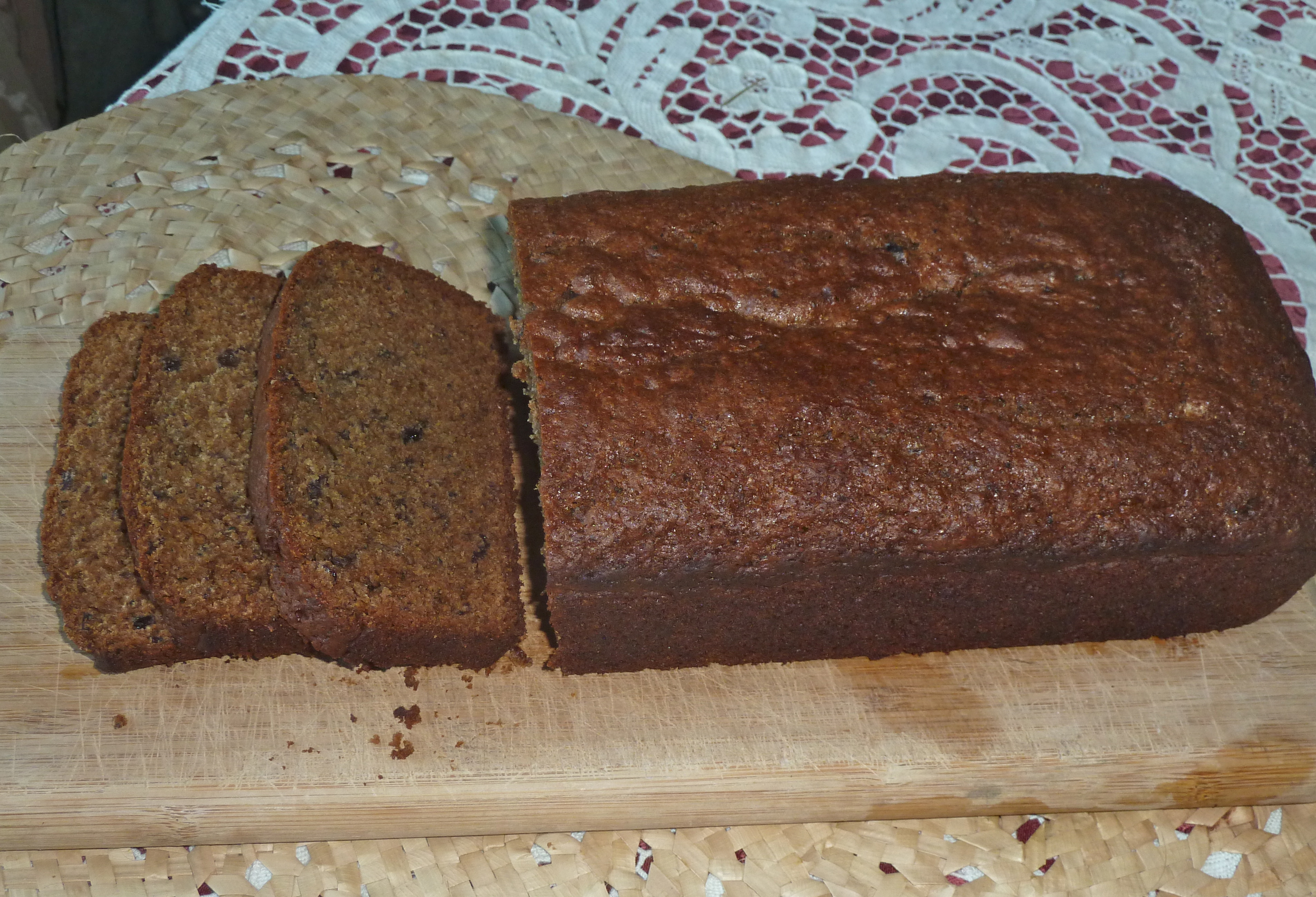
I tried the recipe, adapting it to suit my taste (less fat and sugar, whole wheat flour). It came out pretty tasty. I tried it again with blueberry jam, also tasty. Probably any kind of jam would work. Here’s my version of the recipe:

Jam Cake

1 cup all purpose flour

1 cup whole wheat flour

1 t baking soda

¼ t baking powder

1 t cinnamon

½ t cloves

6 T butter

¾ cup sugar

2 eggs, beaten

1 cup jam

2 T milk

Mix together the dry ingredients. In a large bowl, cream the butter and sugar, then add the eggs, jam, and milk. Mix well. Fold in the dry ingredients. Bake at 350° in a greased loaf pan for 45 minutes. Let cool before slicing.

P1010460

If you spread peanut butter on a slice, it might taste like a P,B & J sandwich.

In case you’re wondering, the blackberry jam I used was made from the wild blackberries that grow behind my house. The blueberries came from a pick-your-own farm.

Posted in fruits, recipes, wild foods | Tagged , , | 2 Comments

Stinging Nettle

I was pretty excited to discover some stinging nettles growing under one of my hazelnut bushes recently.

P1010414

Nothing beats the taste of stinging nettles, and they’re very easy to prepare. Just pinch off the tips (wear garden gloves, of course) and throw them in a pot of water.

P1010433

They lose their sting pretty quickly once they start cooking. Boil for five to ten minutes until tender. Serve with butter and salt.

P1010434

Don’t forget to drink the broth. That’s the best part.

P1010435

Yum! Plus they’re packed with vitamins and minerals. I’ve heard people sing the praises of cream of nettle soup and I know there are plenty of other recipes featuring nettles. I keep thinking one day I’ll try some of them. But I love eating nettles prepared in this simple way so much, I never seem to have any left over for experimenting with other recipes.

Posted in wild foods | Tagged , | 1 Comment